Watch the video at the end of this article.
Introduction
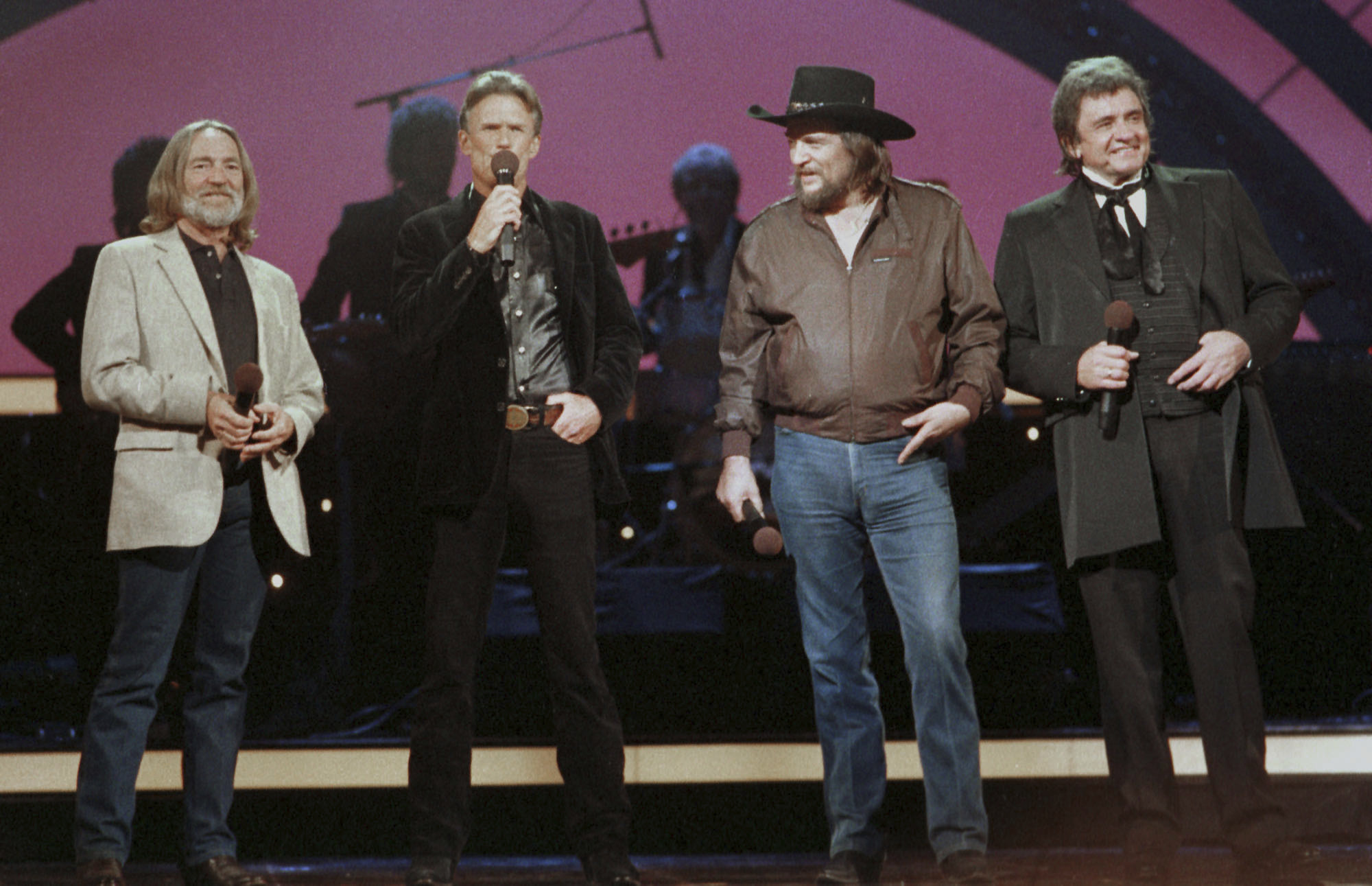
For generations, many men were raised with a simple but powerful lesson: be strong, stay quiet, and keep moving forward. Vulnerability was often mistaken for weakness, and emotional struggles were expected to remain hidden behind a calm face and a firm handshake. Countless men learned how to provide, protect, and endure, but few were taught how to speak openly about grief, loneliness, heartbreak, or fear. In that silence, music became something more than entertainment. It became a language for emotions that could not easily be spoken.
Some of the most enduring songs in country, folk, and classic rock music connected deeply with men because they expressed feelings many listeners recognized but rarely discussed. These songs told stories of lost love, personal regret, family struggles, aging, sacrifice, and quiet resilience. They offered comfort not by solving life’s problems but by acknowledging them honestly.
When Willie Nelson sang “Always on My Mind,” listeners heard more than a love song. They heard the voice of a man reflecting on mistakes he could no longer undo. The song’s power comes from its simplicity. It captures the painful realization that love sometimes goes unexpressed until it is too late. Many men who struggled to communicate affection found their own regrets hidden within those lyrics.
Similarly, Alan Jackson’s “Remember When” became an anthem for those looking back on life with both gratitude and sadness. The song traces the journey of a marriage and a family through the passing years. It speaks to the universal experience of watching time move faster than expected. For many men, it expressed emotions they felt deeply but rarely shared aloud.
The music of George Strait often carried a similar emotional honesty. Songs like “The Chair” or “I Cross My Heart” revealed tenderness without sacrificing strength. Strait showed that masculinity and sensitivity could exist together. His characters were not perfect heroes; they were ordinary men trying to love well and live honorably.
Even outside country music, artists like Bruce Springsteen gave voice to working-class struggles and hidden pain. His songs often portrayed men carrying burdens they could not explain, facing disappointments while continuing to move forward. The stories resonated because they reflected real life rather than fantasy.
What makes these songs remarkable is not their sadness but their understanding. They recognize that pain is often carried quietly. They acknowledge the emotional weight of responsibility, the loneliness that can accompany strength, and the scars left by time. They create a safe space where listeners can feel understood without needing to explain themselves.
Music has long served as an emotional bridge for people who struggle to express what they feel. For many men, a three-minute song succeeded where years of conversation failed. A melody could unlock memories, soften defenses, and provide permission to grieve, reflect, or hope.
The lasting popularity of these songs reveals an important truth: emotional honesty is not weakness. The men who connected with these stories were not broken or incapable of feeling. They simply belonged to generations that were rarely encouraged to speak their pain. Through music, however, they found voices that spoke for them. And in those voices, they discovered something powerful—the reassurance that they were never truly alone in what they carried.