Watch the video at the end of this article.
Introduction
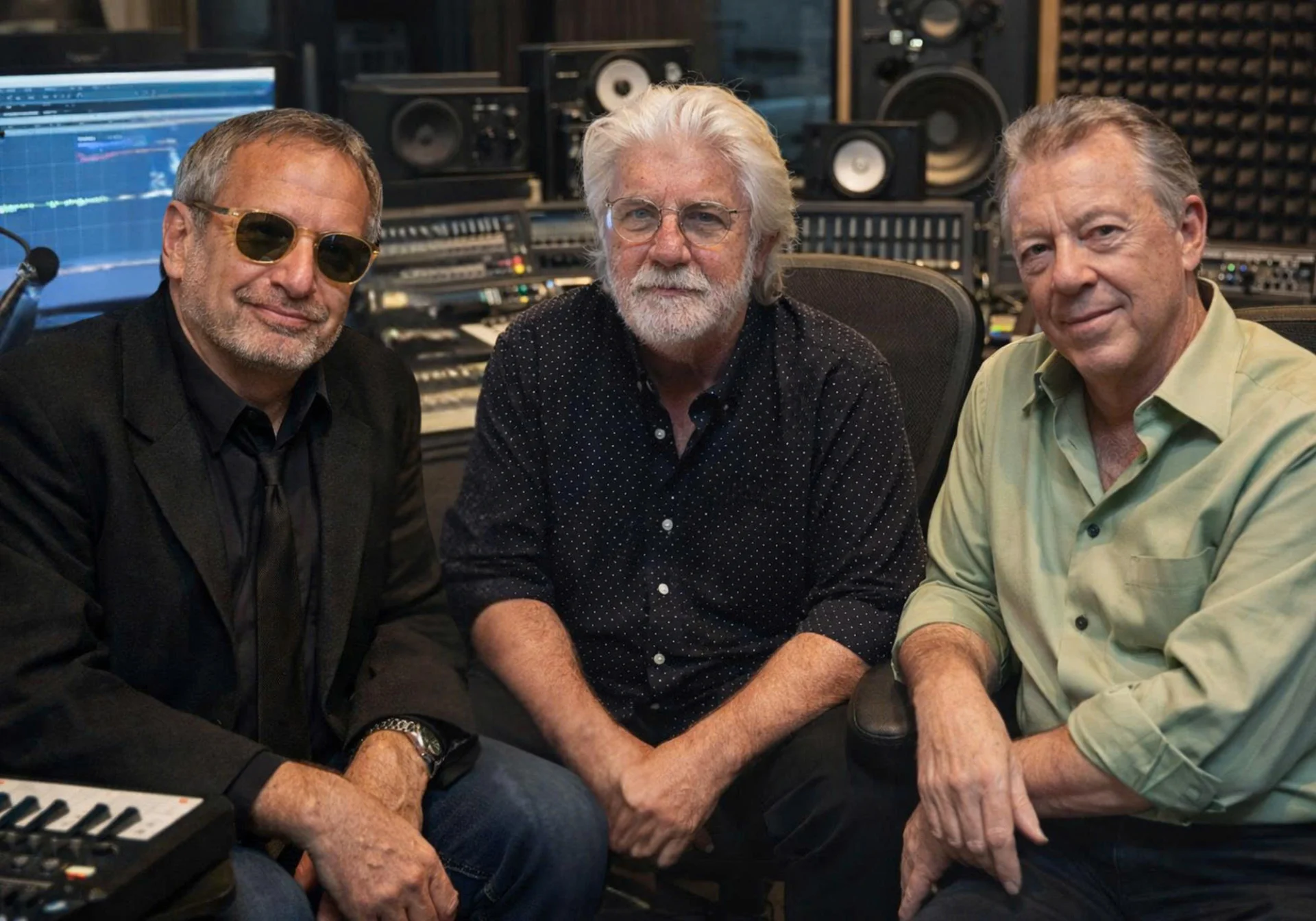
When three iconic American music figures—Donald Fagen, Michael McDonald, and Boz Scaggs—came together as The Dukes of September, it felt less like a typical touring collaboration and more like a once-in-a-generation convergence of musical DNA. The planned PBS special capturing their performance was designed not only as a concert film but as a cultural document, preserving the chemistry of artists whose individual careers had already shaped the sound of modern pop, rock, and blue-eyed soul. Each member brought a distinct legacy: Donald Fagen contributed his sophisticated harmonic language and dry, ironic storytelling; Michael McDonald brought his unmistakable baritone and gospel-tinged emotional depth; while Boz Scaggs added smooth, blues-infused phrasing and an understated elegance that tied the group’s sound together. The PBS special aimed to capture not just a setlist of hits, but the spontaneous interplay that occurred when these artists shared the stage, trading vocals, harmonies, and instrumental cues with a level of intuition that only decades of experience can produce. What made The Dukes of September particularly compelling was the way they reinterpreted familiar songs—both their own classics and covers from the broader American songbook—transforming them into living conversations rather than static performances. The camera crew behind the PBS production reportedly focused on long, uninterrupted takes to preserve the authenticity of the moment, allowing viewers to witness subtle smiles, improvised riffs, and the unspoken communication between musicians who deeply respect one another’s craft. The setlist itself became a journey through musical history, blending soft rock, R&B, and jazz-rock influences into a seamless narrative arc that reflected the shared influences of the three artists, including Motown, Chicago soul, and Laurel Canyon songwriting traditions. Beyond the music, the special also highlighted the human dimension of collaboration: three established legends stepping away from the pressures of solo branding to simply enjoy making music together. Interviews woven into the PBS broadcast revealed how the project began almost casually, as a touring idea that gradually evolved into something more meaningful—a celebration of friendship, musical curiosity, and the joy of reinterpretation. Viewers were given insight into how rehearsals often turned into jam sessions lasting late into the night, with arrangements shifting organically as each artist suggested new harmonies or rhythmic changes. The result was a body of work that felt both nostalgic and fresh, honoring the original recordings while refusing to be bound by them. In many ways, the PBS special served as a reminder of a fading era in popular music, when live performance, musicianship, and collaboration were central to artistic identity. Rather than relying on spectacle or technology, The Dukes of September relied on tone, timing, and trust. For audiences watching at home, the broadcast offered more than entertainment—it offered a rare glimpse into how mastery sounds when it is shared freely among equals. Ultimately, the project reinforced the enduring relevance of these artists and demonstrated that great songs do not age; they evolve when placed in the hands of musicians willing to rediscover them together, night after night, note after note.
Video