Watch the video at the end of this article.
Introduction
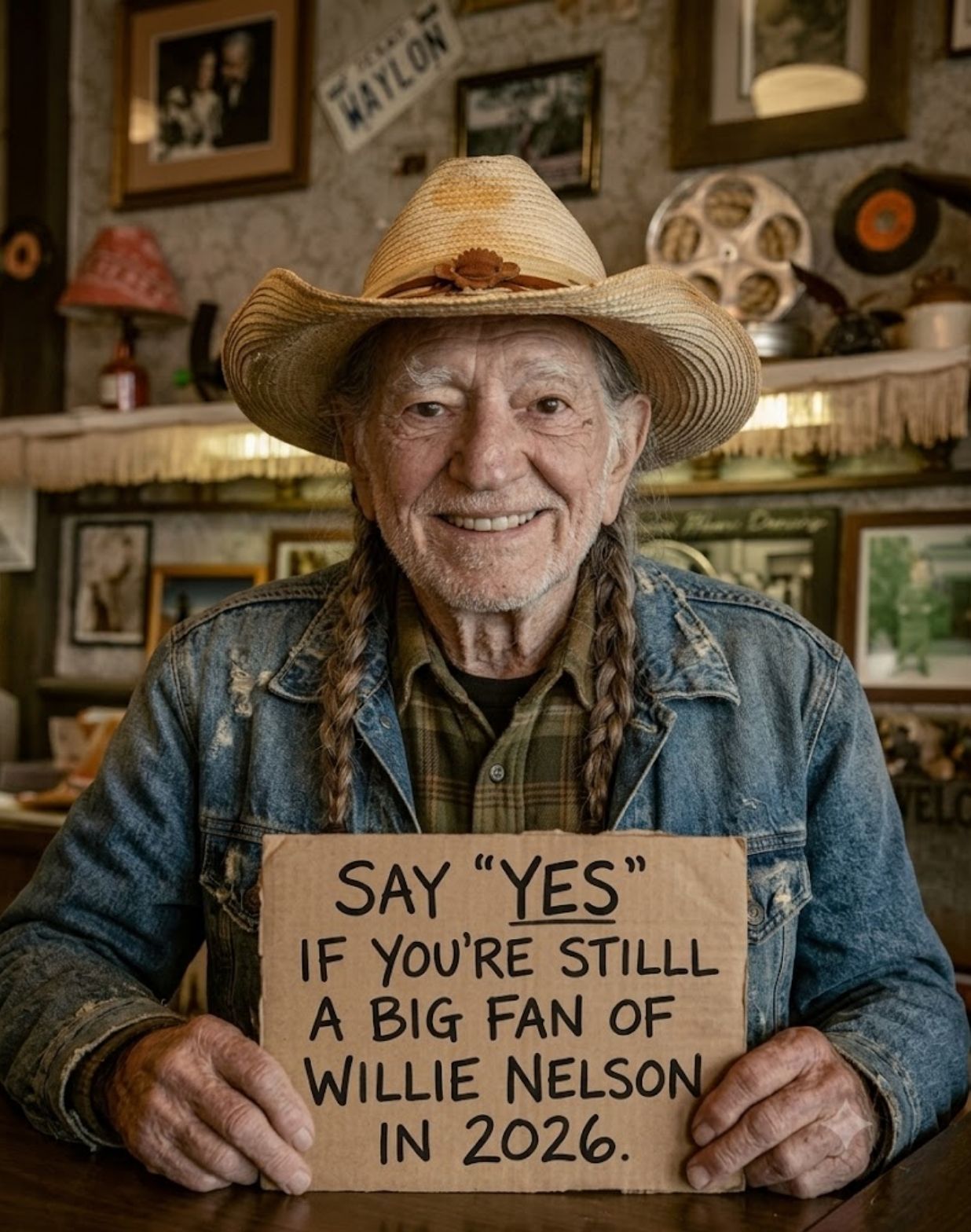
There was a time when the music industry believed there was only one way to become a country star. In the early 1960s, Nashville favored polished voices, perfectly tailored suits, and carefully crafted performances that fit the city’s commercial image. Young artists who failed to match that formula often found themselves pushed aside. Among them was Willie Nelson, a gifted songwriter with a distinctive nasal voice that many executives considered too unconventional for mainstream country radio. He was told, directly and indirectly, that he simply didn’t sound like Nashville. For many performers, those words would have ended a dream. For Willie Nelson, they became the beginning of a revolution.
Rather than changing himself to satisfy the expectations of the industry, Nelson made the difficult decision to walk away. It was a bold move at a time when Nashville was considered the unquestioned capital of country music. Leaving meant giving up the security of major-label opportunities and stepping into an uncertain future. Yet Willie believed that authenticity mattered more than acceptance. He understood that a voice does not need to sound perfect if it sounds honest.
Before becoming a superstar, Nelson quietly established himself as one of America’s finest songwriters. His compositions, including “Crazy,” famously recorded by Patsy Cline, demonstrated an extraordinary ability to capture heartbreak, hope, and human vulnerability. Even when other artists achieved massive success singing his songs, many industry insiders still doubted whether audiences would ever embrace Willie himself as a performer. Ironically, the very qualities they criticized would later become the foundation of his legendary career.
Everything changed when Nelson found creative freedom outside Nashville. Settling in Texas, he became one of the leading figures of the Outlaw Country movement, a musical rebellion that rejected rigid studio formulas in favor of artistic independence. Alongside fellow innovators like Waylon Jennings, Willie helped reshape country music by blending traditional country with elements of folk, rock, blues, and jazz. The result was music that felt deeply personal and refreshingly real.
Albums such as Red Headed Stranger proved that commercial success did not require sacrificing artistic vision. Initially viewed as too sparse and unconventional by record executives, the album became a landmark achievement, earning critical acclaim and selling millions of copies. It showed that audiences were hungry for sincerity rather than perfection. Nelson’s weathered voice, poetic storytelling, and unmistakable guitar playing became symbols of artistic courage.
What made Willie Nelson extraordinary was not simply his music but his refusal to let rejection define his future. Every criticism became motivation rather than discouragement. Instead of asking how he could fit into Nashville, he asked how country music could become bigger than Nashville itself. His answer forever expanded the boundaries of the genre.
Decades later, Nelson is celebrated not only as one of country music’s greatest performers but also as one of its most influential visionaries. His career reminds aspiring artists that originality often requires standing alone before others understand your vision. The voice that once seemed too different ultimately became one of the most recognizable sounds in American music.
The greatest irony of Willie Nelson’s story is beautifully simple. The industry once believed his voice would never succeed because it didn’t sound like Nashville. In the end, Nashville—and country music itself—changed because of Willie Nelson. His journey remains a timeless reminder that history is rarely written by those who fit in. More often, it is shaped by those courageous enough to remain unmistakably themselves.