Watch the video at the end of this article.
Introduction
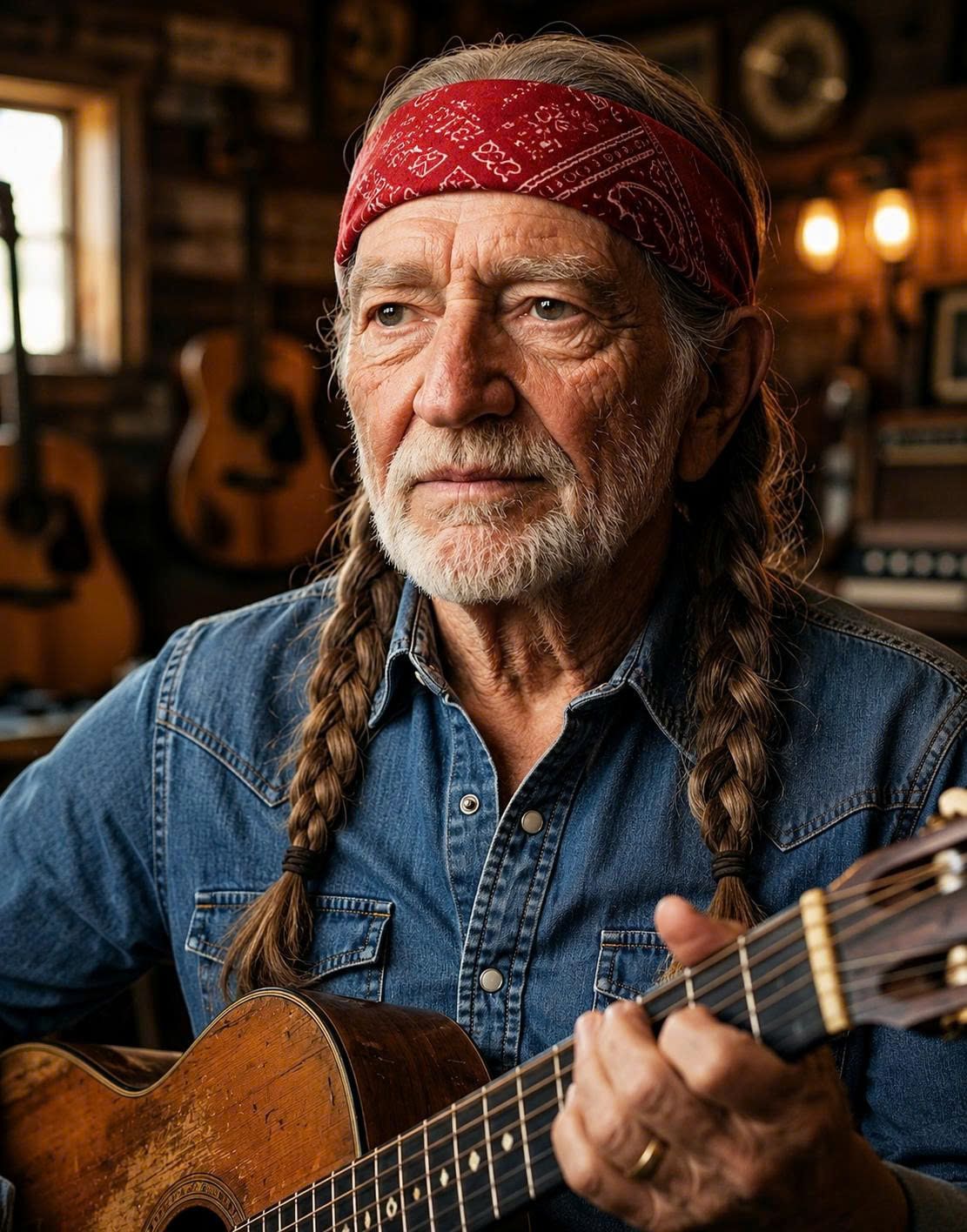
At the age of 42, Willie Nelson stood at one of the most defining crossroads of his career. Although he had already earned respect as a gifted songwriter and performer, the commercial success he desired had remained frustratingly out of reach. Many artists in his position would have continued chasing radio-friendly hits or followed the advice of record executives eager to maximize profits. Instead, Nelson made a bold and deeply personal decision. He recorded Red Headed Stranger, a stripped-down concept album inspired by an old folk tale about love, betrayal, guilt, and redemption. Rather than filling the record with polished production and lush orchestration, Nelson embraced simplicity. Sparse acoustic guitar, subtle arrangements, and long stretches of quiet allowed the songs and emotions to breathe. When he presented the finished album to his label, executives were stunned. They believed it sounded unfinished and far too minimal to compete with the polished country records dominating the charts. Some reportedly suggested that the album be remixed with additional instruments, convinced that audiences would reject such an unconventional project. Nelson refused. He trusted his artistic instincts more than industry expectations, believing that authenticity would resonate more deeply than commercial formulas. That decision became one of the greatest gambles in country music history. Released in 1975, Red Headed Stranger quickly proved the skeptics wrong. Critics praised its storytelling, emotional depth, and cinematic flow, recognizing it as a revolutionary concept album that challenged traditional ideas of country production. Listeners connected with its honesty and haunting simplicity, turning it into both a commercial and artistic triumph. The album climbed the charts, achieved multi-platinum success, and featured the unforgettable hit “Blue Eyes Crying in the Rain,” which became Nelson’s first No. 1 single as a singer. More importantly, the album transformed Willie Nelson from a respected songwriter into one of country music’s most influential and recognizable stars. It also helped define the outlaw country movement, encouraging artists to reject rigid industry control and create music on their own terms. Nelson’s willingness to take that remarkable chance at 42 demonstrated that true success often comes from trusting one’s vision rather than following conventional wisdom. His story serves as a powerful reminder that age should never limit ambition or creativity. Many people assume that life-changing opportunities belong only to the young, but Nelson proved that experience, confidence, and perseverance can be even more valuable. By refusing to compromise, he created a timeless masterpiece that continues to inspire musicians and audiences decades later. Red Headed Stranger remains celebrated not only for its unforgettable songs but also for what it represents: courage in the face of doubt, artistic integrity in a commercial world, and the belief that genuine storytelling will always find its audience. Willie Nelson’s remarkable gamble became far more than a successful album—it became a symbol of creative freedom and personal conviction. Every note reflects the confidence of an artist who chose authenticity over approval, proving that the greatest risks often produce the greatest rewards. His legacy reminds generations of creators that believing in a unique vision may invite criticism at first, but history often remembers those who dared to be different rather than those who simply followed the crowd.