Watch the video at the end of this article.
Introduction
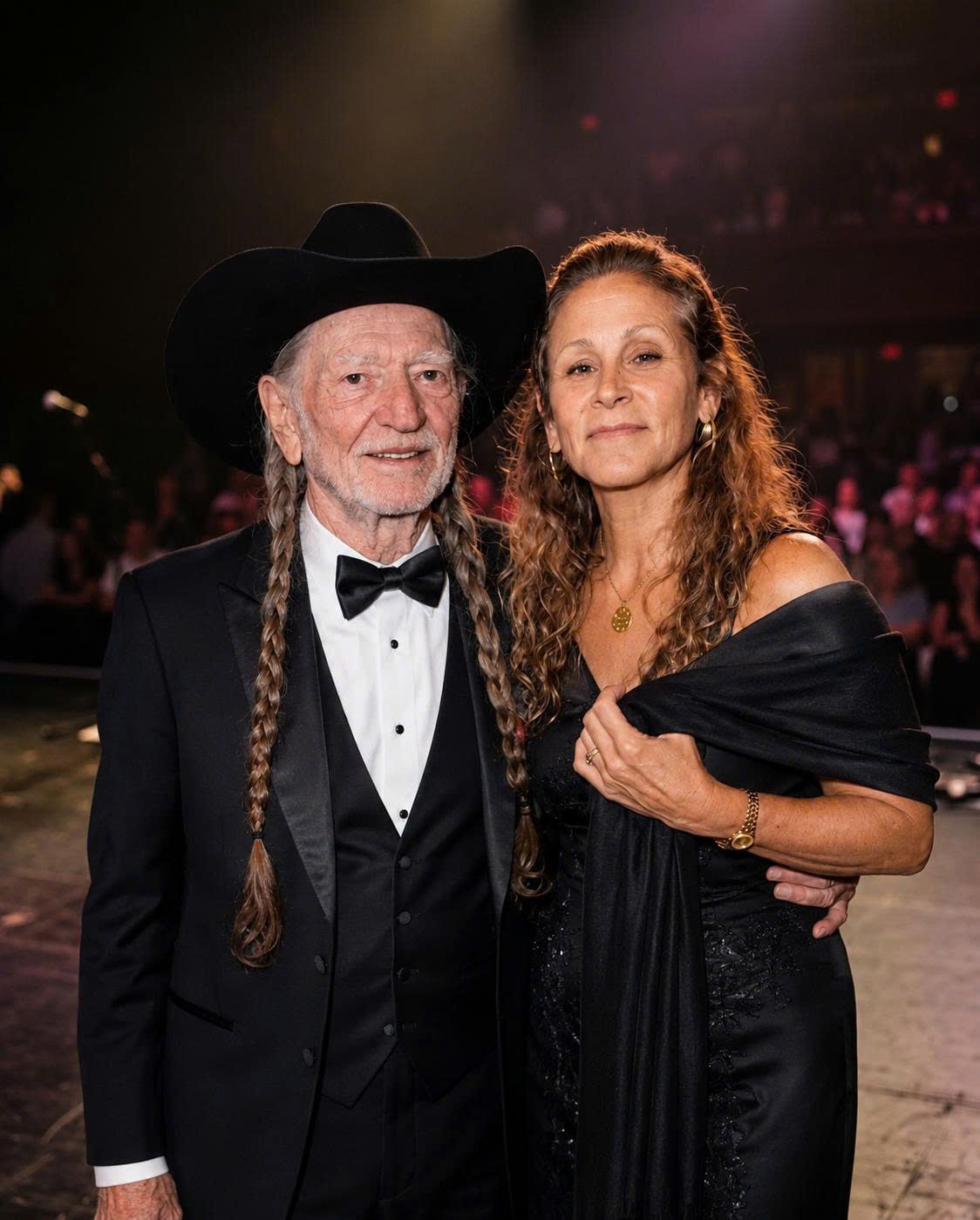
For more than six decades, Willie Nelson has traveled the highways of America, becoming one of the most recognizable figures in country music. With over 70 million records sold worldwide, countless awards, and an influence that stretches across generations, he built an image unlike anyone else. The braided hair, weathered face, battered guitar named Trigger, and unmistakable voice transformed him into the ultimate outlaw icon. Fans admire his rebellious spirit, his fight for artistic freedom, and his refusal to conform to Nashville’s expectations. Yet for all the legends surrounding his remarkable career, there is one quiet performance that strips away every myth and reveals something far more powerful—a vulnerable human being carrying the weight of love, regret, and memory. Whenever Willie Nelson sings the timeless 1961 ballad “Crazy,” listeners are reminded that beneath the outlaw image lives an artist whose greatest strength has never been rebellion, but honesty.
Ironically, “Crazy” first became famous through Patsy Cline, whose unforgettable interpretation turned the song into one of country music’s greatest classics. Although Nelson wrote it early in his career, his own recording arrived years later, carrying the wisdom of a man who had already experienced triumph, disappointment, broken relationships, and countless miles on lonely roads. By then, every crack in his voice had become part of the story. He no longer needed dramatic vocal runs or polished production. A few softly played guitar chords and his gentle phrasing were enough to create an atmosphere of heartbreaking intimacy.
What makes Nelson’s rendition so extraordinary is the way he approaches every lyric with remarkable restraint. Rather than overwhelming the audience with theatrical emotion, he allows silence to become part of the performance. Small pauses, whispered words, and delicate breaths speak almost as loudly as the melody itself. It feels less like a concert and more like overhearing someone’s private conversation with the past. The famous outlaw disappears, replaced by an aging man reflecting on choices, lost chances, and enduring affection.
That emotional honesty explains why audiences continue to connect with the song decade after decade. Younger listeners may discover Willie Nelson through upbeat classics like “On the Road Again” or “Whiskey River,” but many find themselves unexpectedly moved when hearing him sing “Crazy.” The performance reminds us that genuine vulnerability often leaves a deeper impression than displays of strength. Nelson never pretends to be invincible. Instead, he embraces the imperfections that come with living a full life, making every note feel authentic.
His voice itself has become an instrument shaped by time. The smooth tones of youth have given way to a weathered texture that cannot be manufactured or imitated. Every tremble carries experience. Every lingering phrase suggests memories too complex to explain with words alone. Instead of resisting age, Nelson allows it to enrich the music. The result is a performance that grows more meaningful with each passing year, proving that emotional truth can become stronger even as physical perfection fades.
Perhaps that is the greatest reason Willie Nelson remains one of America’s most beloved musical storytellers. Awards, chart success, and record sales are impressive achievements, but they do not fully explain his lasting legacy. Millions continue to listen because they recognize themselves in his songs. Behind the legendary outlaw stands an ordinary man who has loved deeply, suffered quietly, and continued singing through every chapter of life. When Willie Nelson performs the gentle 1961 ballad “Crazy,” the myths surrounding the icon simply melt away. What remains is something even greater than fame—a voice carrying the universal heartbreak, resilience, and hope that connect every human heart across generations.