Watch the video at the end of this article.
Introduction
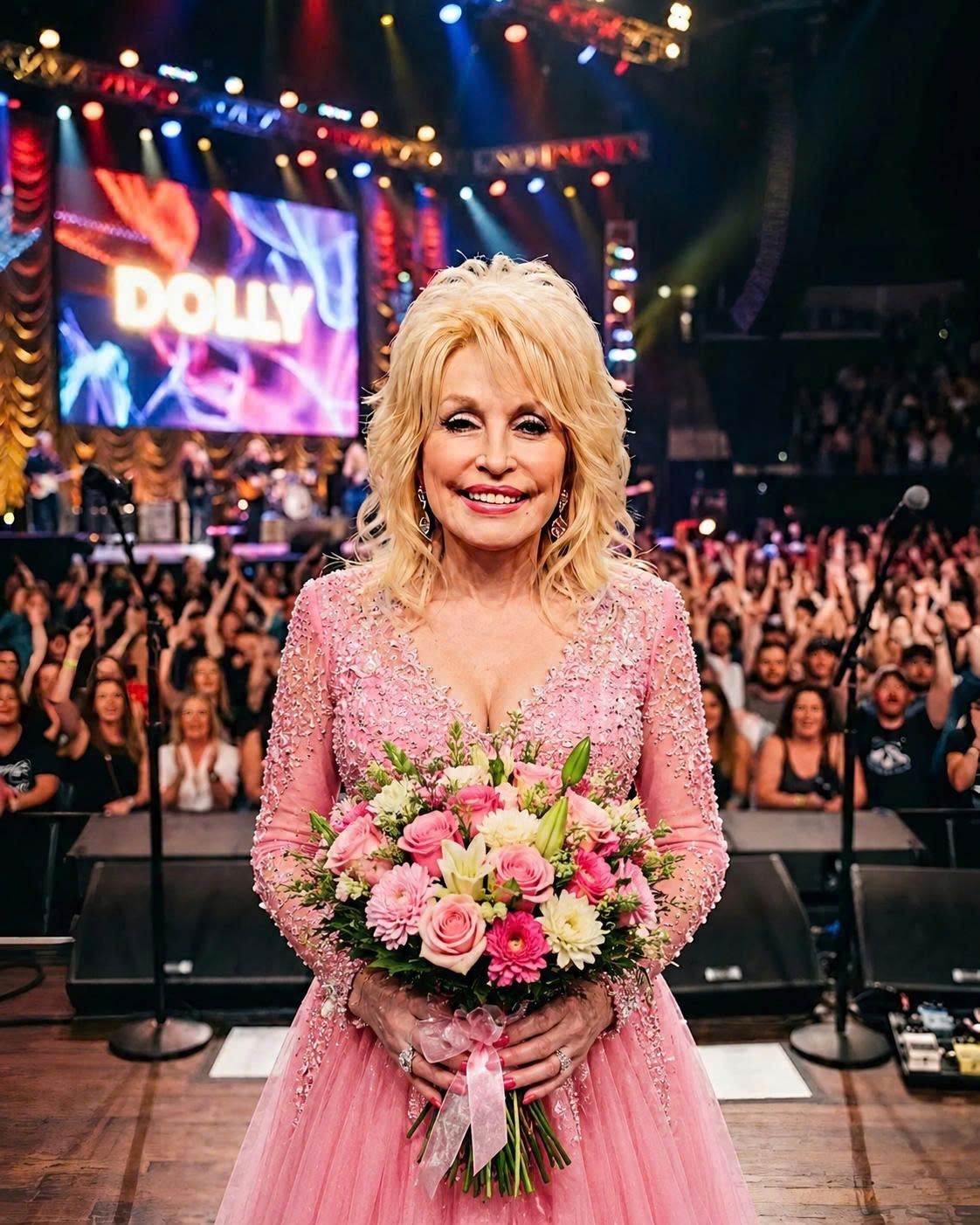
Dolly Parton’s “9 to 5” is rising once again, proving that a great song does not belong to just one generation. Released in 1980 as the title song for the hit film of the same name, “9 to 5” was immediately recognized as more than a catchy country-pop tune. Behind its bright piano rhythm, hand-clap energy, and Dolly’s unmistakable voice was a sharp, honest portrait of working life. The song spoke for office employees, factory workers, single mothers, exhausted fathers, and anyone who had ever felt underpaid, overlooked, or trapped beneath an unfair system. More than four decades later, its message still feels surprisingly fresh. People may work on laptops instead of typewriters, attend video meetings instead of crowded offices, and answer emails long after leaving the workplace, but the frustration remains familiar. Workers are still trying to balance ambition, family, bills, stress, and the desire to be treated with dignity. That is why “9 to 5” continues to return in films, television shows, social media clips, workplace playlists, and new conversations about equality and fair pay. Dolly did not sing the song with bitterness alone. She filled it with humor, strength, and an irresistible sense of rebellion. When she sings about pouring a cup of ambition, she transforms an ordinary morning routine into a symbol of courage. The character in the song may be tired, but she is not defeated. She recognizes the injustice around her, names it clearly, and keeps moving forward. That combination of struggle and hope is what makes the song so powerful. It allows listeners to laugh, dance, sing loudly, and release frustrations that might otherwise remain hidden. The song also became an important anthem for women in the workplace. At a time when many women were fighting for equal opportunity, respect, and independence, Dolly gave those struggles a voice that was bold without losing warmth. She made the message accessible, memorable, and impossible to ignore. Yet “9 to 5” has never belonged only to women. Its heart is universal. It speaks to anyone whose talent has been underestimated, whose labor has enriched someone else, or whose dreams have been postponed by the daily pressure of survival. Today, younger listeners are discovering the song and realizing that the world it describes has not completely disappeared. New generations may use different language when discussing burnout, toxic workplaces, wage inequality, or work-life balance, but the emotional truth is the same. People want their effort to matter. They want respect, security, and the freedom to build a better life. Dolly Parton captured those hopes in less than three minutes, wrapping a serious social message inside one of the most joyful melodies ever recorded. That is the genius of “9 to 5.” It does not lecture; it connects. It does not surrender to frustration; it turns frustration into rhythm. Every time the opening beat begins, working people recognize themselves in the song. They hear their early alarms, long commutes, difficult bosses, unpaid sacrifices, and quiet determination. It also reminds communities that meaningful progress begins when ordinary voices are heard, valued, and taken seriously together. “9 to 5” rises again because the working heart still needs an anthem—and Dolly Parton’s voice continues to remind us that even on the hardest days, dignity, humor, and hope can never be clocked out.