Watch the video at the end of this article.
Introduction
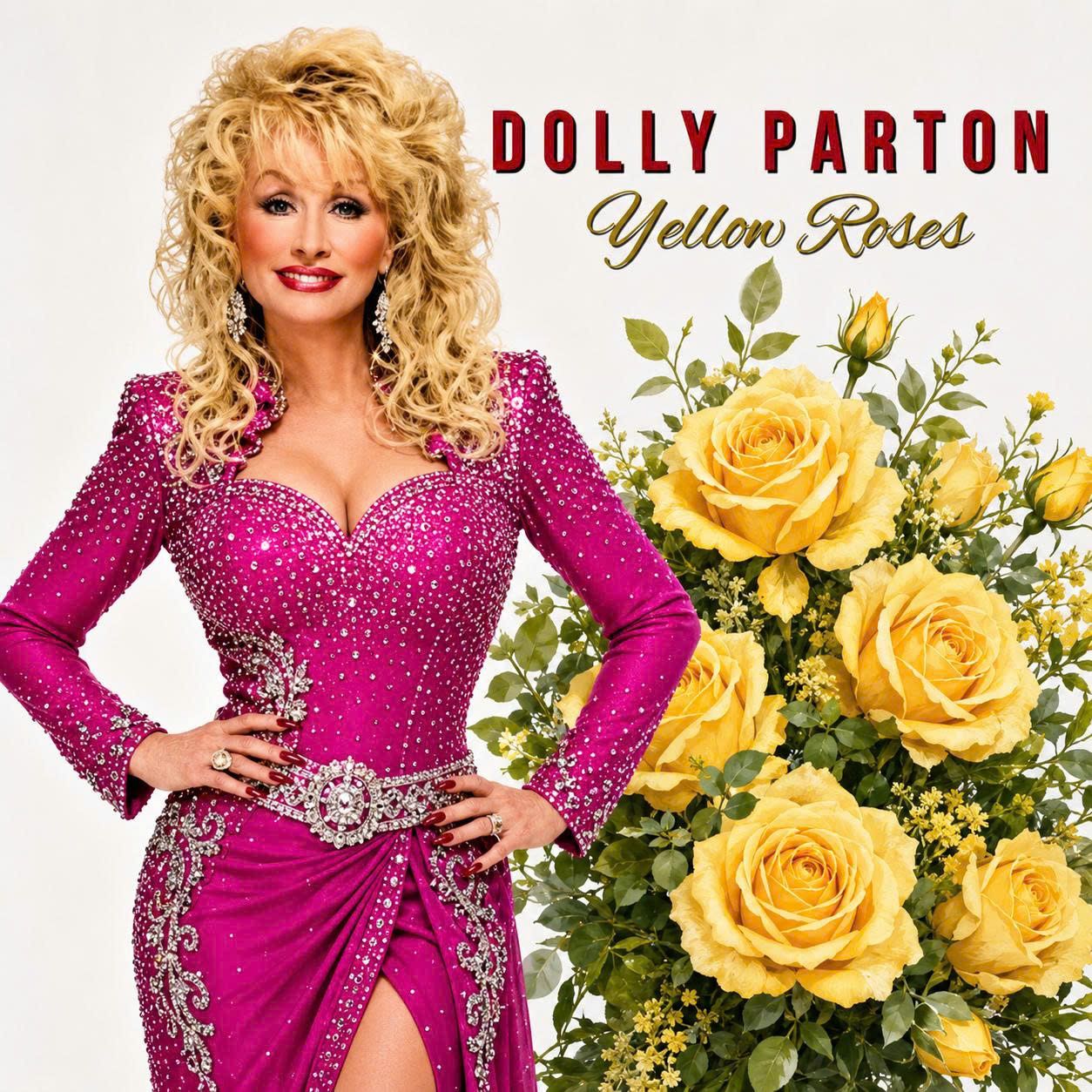
On July 31, 1989, Dolly Parton released “Yellow Roses” as the second single from White Limozeen, her thirty-ninth solo studio album, and the song quickly became another shining chapter in her remarkable country music career. Written by Dolly herself, “Yellow Roses” is a tender farewell wrapped in a graceful melody, telling the story of a love that begins and ends with the same symbolic flowers. In the song, yellow roses first appear as a beautiful sign of affection, carrying the excitement and hope of a new relationship. Years later, however, those same roses return with a painful message of goodbye. That simple image gives the song its emotional power. Dolly does not need dramatic language or bitterness to express heartbreak; instead, she uses warmth, restraint, and vivid storytelling to show how something once associated with happiness can later become a reminder of loss. Her clear, expressive voice makes every line feel deeply personal, as though she is sharing a memory she has carried quietly for years. The song’s traditional country sound also reflected the musical direction of White Limozeen, an album that marked Dolly’s confident return to her country roots after years of exploring pop and crossover success. Produced by Ricky Skaggs, the album blended polished late-1980s production with fiddles, steel guitar, heartfelt lyrics, and the timeless storytelling that had made Dolly one of Nashville’s most beloved artists. “Yellow Roses” connected strongly with country listeners and eventually reached number one on the Billboard Hot Country Songs chart. Its success proved that Dolly remained a powerful presence on country radio, even after decades in the spotlight and countless changes in the music industry. The achievement was especially meaningful because the song was not built around trends or flashy production. It succeeded because of its honest emotion, memorable imagery, and Dolly’s ability to turn an ordinary object into a complete love story. “Yellow Roses” also demonstrated why Dolly Parton’s songwriting has endured across generations. She understands that the most unforgettable songs often come from small details: a flower, a letter, a familiar place, or a final gesture between two people. Through those details, she creates stories that listeners can recognize in their own lives. Many people have experienced a relationship in which beautiful memories remain even after love has ended, and the song captures that complicated mixture of gratitude, sadness, and acceptance. Rather than portraying the goodbye as angry or cruel, Dolly allows the pain to remain quiet, dignified, and real. Its chart-topping success reinforced her rare ability to evolve as an entertainer without losing the emotional honesty that first won audiences around the world. More than three decades after its release, “Yellow Roses” still feels like classic Dolly Parton: sincere, elegant, emotionally direct, and unmistakably country. It stands as a reminder of a period when she successfully reclaimed her place at the top of the country charts while staying true to the storytelling traditions that shaped her career. On July 31, 1989, listeners received more than another radio single. They received a beautifully crafted story about how love can bloom, fade, and leave behind a symbol that is both precious and heartbreaking. With “Yellow Roses,” Dolly Parton once again showed that she could take the simplest image and transform it into a song capable of living in people’s hearts for generations.