Watch the video at the end of this article.
Introduction
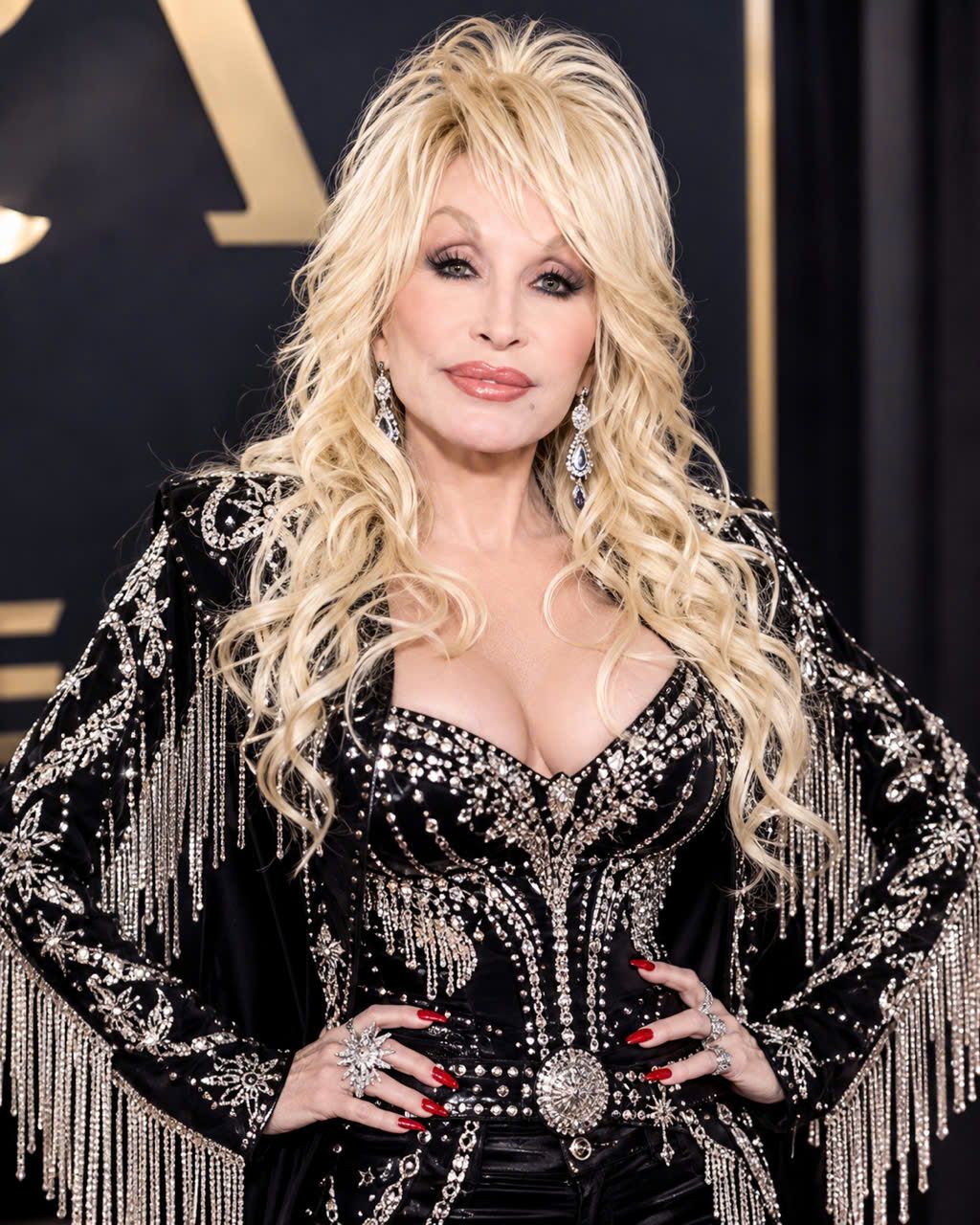
The estate of country music legend Dolly Parton has become involved in a legal dispute involving her nephew and his private security company. A Tennessee judge recently granted the estate a temporary restraining order after representatives of the estate accused the nephew of making violent threats and attempting to harm the late singer’s reputation and legacy. The court order marks a significant development in a dispute that has drawn attention because of Parton’s enduring influence on country music and American popular culture.
According to allegations presented by the estate, the dispute involves threatening behavior and actions that could potentially interfere with the estate’s efforts to protect Parton’s name, image, and intellectual property. The estate reportedly argued that immediate legal protection was necessary because of concerns about further confrontational conduct. A temporary restraining order is generally intended to provide short-term protection while a court considers the broader issues in a case. It does not, by itself, establish that every allegation made by one side has been proven.
The involvement of Parton’s nephew has added a deeply personal dimension to the legal controversy. Family disputes can become particularly complicated when they involve the estate of a highly recognizable public figure whose professional achievements have generated valuable intellectual property and a powerful cultural legacy. Parton’s name is closely associated with decades of music, entertainment, philanthropy, business ventures, and public appearances. As a result, questions about who can represent or use aspects of her identity after her death can carry both financial and symbolic significance.
The estate’s accusations concerning alleged violent threats are among the most serious aspects of the dispute. However, allegations made in court filings should be distinguished from facts that have been established through a trial or final judgment. The temporary order indicates that a judge found grounds for issuing immediate restrictions, but the legal process can continue as the parties present evidence and arguments. The nephew and his security company may have their own position regarding the allegations, and the court will ultimately determine the legal issues based on the evidence and applicable Tennessee law.
Beyond the immediate courtroom dispute, the case highlights the challenges that can arise when managing the legacy of a major cultural figure. Estates of famous entertainers often oversee music catalogs, trademarks, recordings, photographs, licensing agreements, business interests, and other forms of intellectual property. Protecting these assets can become especially important when different individuals disagree about how a celebrity’s identity and work should be handled.
Dolly Parton has built a public legacy that extends far beyond her career as a singer and songwriter. Her influence includes entertainment, business, charitable work, and cultural contributions that have made her one of the most recognizable figures in American music. Any conflict involving her estate therefore has the potential to attract substantial public attention.
For now, the temporary restraining order represents one stage of an ongoing legal dispute rather than a final resolution. The allegations, the response from the opposing side, and subsequent court proceedings will determine how the controversy develops. As the case moves forward, the central questions will include whether the alleged conduct can be substantiated and what legal protections, if any, are ultimately appropriate for Dolly Parton’s estate and legacy.