Watch the video at the end of this article.
Introduction
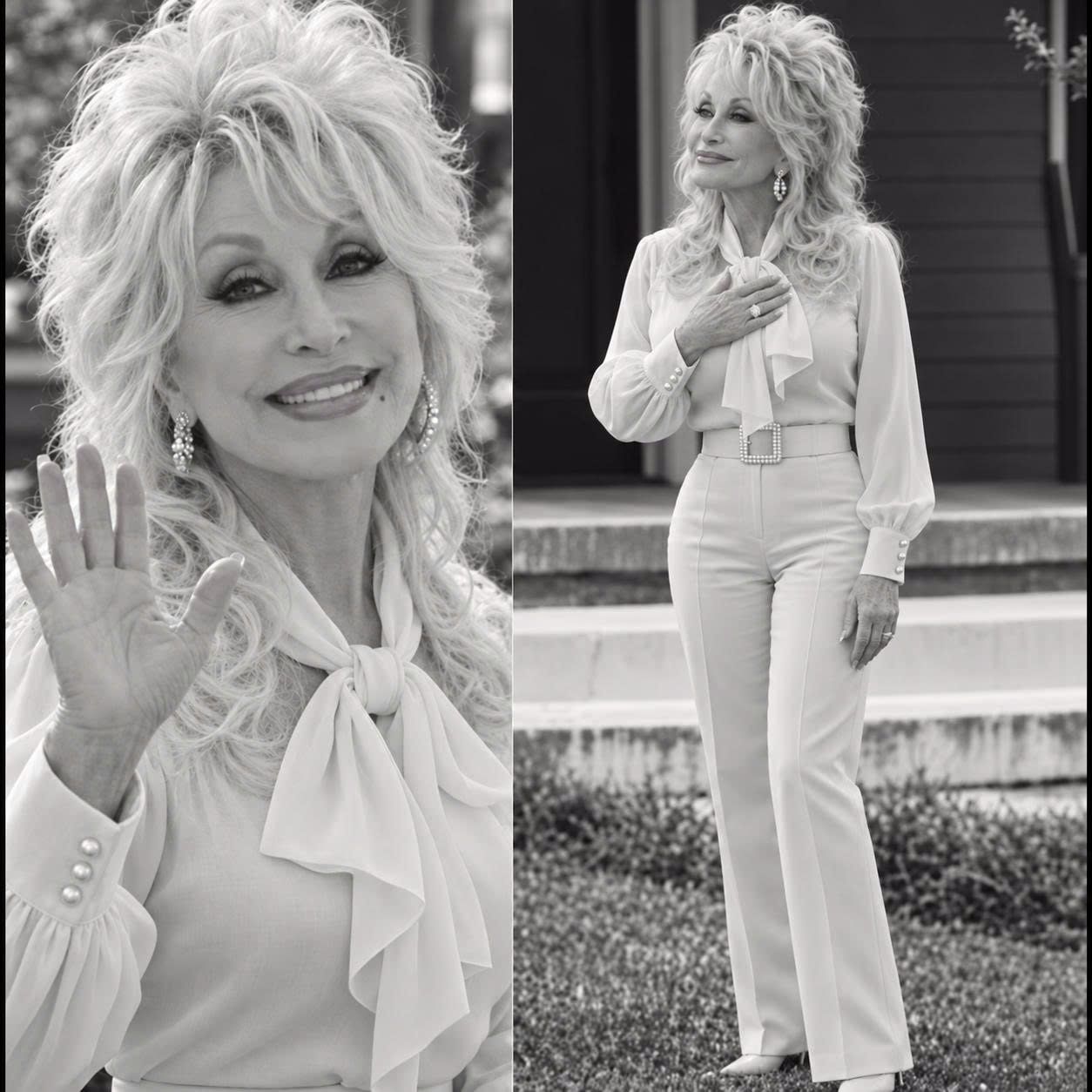
At 80, Dolly Parton had already lived the kind of life most people could only imagine. She had stood beneath the brightest stage lights, heard thousands of voices sing her songs back to her, written melodies that became part of American culture, and transformed herself from a poor girl in the Tennessee mountains into one of the most recognizable entertainers in the world.
But growing older brought Dolly something fame could never prepare her for: silence.
Not the silence of an empty theater. Not the peaceful quiet of a Tennessee morning. It was the silence left behind when the people who once knew her before the costumes, the rhinestones, the awards, and the headlines were no longer there.
With time, more familiar voices disappeared.
Friends who remembered the early struggles. Musicians who shared long drives, tiny stages, backstage jokes, and uncertain beginnings. Family members who knew her simply as Dolly long before the world called her an icon. These were the people who carried pieces of her history that no interview, photograph, or biography could ever fully preserve.
That may be one of the hardest truths about growing old: success cannot stop time.
You can fill a house with awards, photographs, beautiful clothes, handwritten songs, and memories, yet still find yourself wishing for one more conversation with someone who understood exactly where it all began.
Dolly Parton has always been known for her optimism. Her humor can turn uncomfortable moments into laughter, and her faith has often shaped the way she speaks about hardship, love, and loss. Yet even the strongest people experience grief differently as the years pass.
When you are young, growing older often means gaining things — opportunities, friendships, confidence, family, achievements.
Later in life, growing older can sometimes mean learning how to carry what disappears.
For Dolly, the emotional weight became especially visible after the loss of people deeply connected to her personal journey. Each goodbye represented more than losing someone she loved. It also meant losing another person who remembered the earlier version of her — the ambitious young woman writing songs, dreaming beyond her circumstances, and wondering whether anyone would ever listen.
The world knows Dolly Parton through songs like “Jolene,” “Coat of Many Colors,” and “I Will Always Love You.” Millions recognize the voice, the smile, and the larger-than-life personality.
But the people closest to her knew the moments the public never saw.
They knew what made her laugh when cameras were gone. They remembered private worries, family stories, ordinary conversations, and dreams spoken before those dreams became history.
And perhaps that is why outliving the people who knew you best can feel so strangely lonely.
At 80, Dolly’s legacy was secure. Her music had crossed generations. Her generosity had changed lives. Her songs would continue playing long after the stages grew quiet.
Yet behind that extraordinary legacy remained a deeply human truth.
Eventually, even legends find themselves looking backward.
Not because the present has lost its meaning, but because certain voices can never be replaced.
And sometimes the quietest part of growing old is realizing that the people who once remembered your beginning with you are slowly becoming memories themselves.