Watch the video at the end of this article.
Introduction
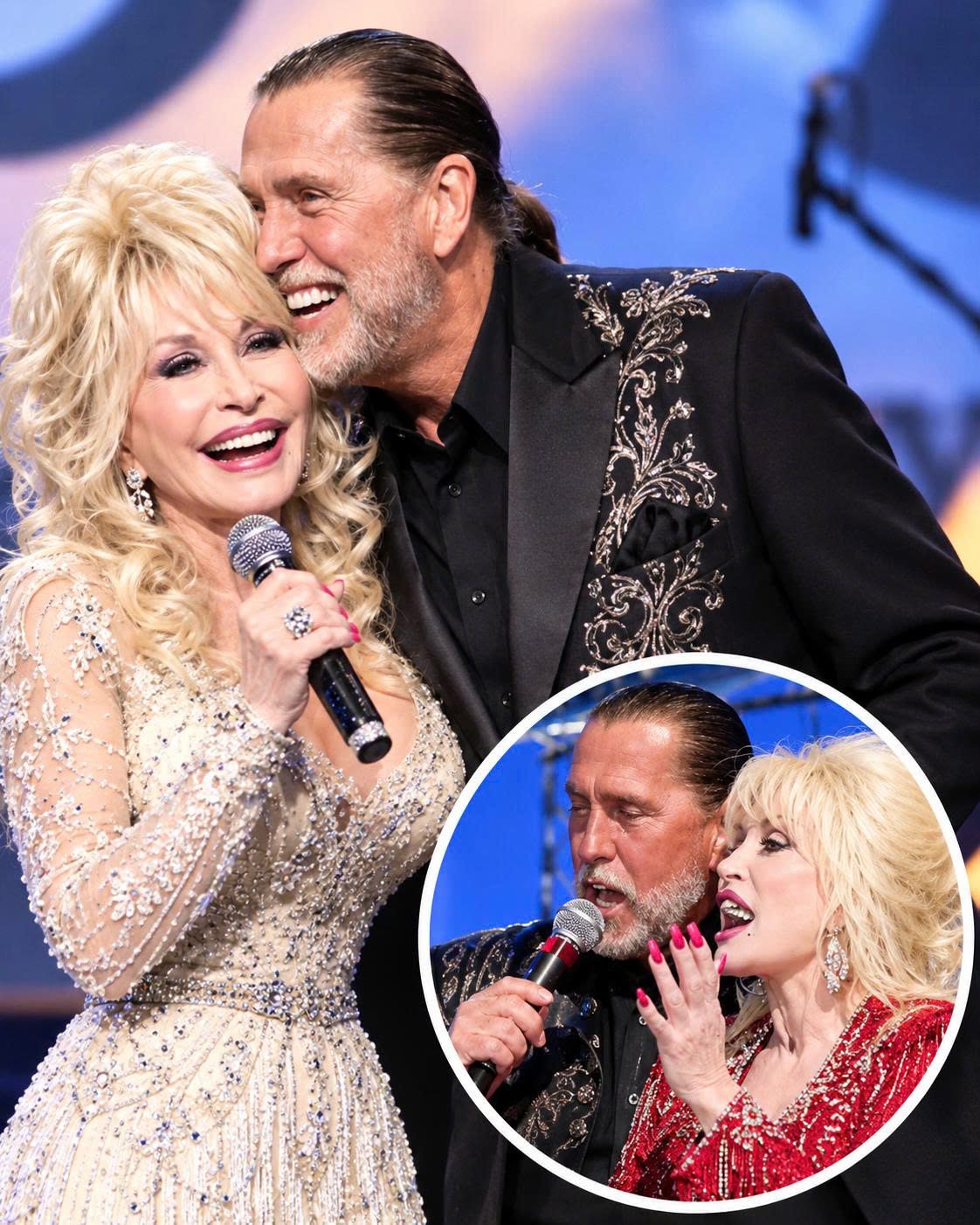
By the fall of 2020, Dolly Parton was putting the finishing touches on A Holly Dolly Christmas, a holiday album created during one of the most uncertain and painful periods in modern history. The world was struggling through a devastating global pandemic, families were separated, celebrations were canceled, and millions of people were searching for even the smallest reasons to feel hopeful. For Dolly, however, the album carried a much deeper meaning. Beneath the cheerful melodies, familiar Christmas traditions, and bright holiday spirit was a quiet sense of urgency—a deeply personal desire to bring comfort to people who were hurting, while also confronting emotions she rarely placed at the center of her public life.
Christmas had always held a special place in Dolly’s heart. Raised in a large family in the Smoky Mountains of Tennessee, she learned early that happiness did not necessarily come from having money or extravagant gifts. It came from gathering around the table, singing together, telling stories, and making the most of whatever blessings were available. Those memories became part of the emotional foundation of her music. When she recorded A Holly Dolly Christmas, she was not simply making another seasonal record. She was reaching back toward the warmth of her childhood and trying to recreate that feeling for listeners who desperately needed it.
The timing made the project especially meaningful. In 2020, the usual sights and sounds of Christmas seemed strangely distant. Streets were quieter, families were separated, and many people faced the holidays while grieving loved ones. Dolly understood that music could not erase sorrow, but she also understood its ability to make people feel less alone. Her goal was to create an album that could sit beside listeners during difficult moments and remind them that joy and sadness could exist together.
That emotional balance became one of the defining qualities of the album. Dolly’s voice carried both playfulness and tenderness, moving naturally between lively Christmas classics and quieter songs filled with reflection. There was laughter in the project, but there was also vulnerability. Every cheerful arrangement seemed to contain an acknowledgment of the difficult world outside the studio.
For Dolly, Christmas was never only about celebration. It was about connection. It was about remembering people, honoring traditions, forgiving old wounds, and holding close the people who matter most. In a year when so many people were unable to embrace their families, those ideas became more powerful than ever.
There was also something unmistakably personal about Dolly’s determination to complete the project. She had spent decades building a career around generosity, optimism, and an extraordinary ability to make strangers feel like friends. Yet even someone as resilient as Dolly could not remain untouched by the sadness surrounding the world. Instead of allowing that sadness to silence her, she transformed it into music.
A Holly Dolly Christmas therefore became more than a collection of holiday songs. It became a musical expression of hope during a season defined by uncertainty. Dolly’s message was simple but powerful: even when life feels frightening and lonely, there can still be light in a song, comfort in a memory, and love in the traditions we refuse to abandon. By finishing the album in the fall of 2020, Dolly Parton gave listeners something they needed perhaps more than ever—a reason to pause, breathe, remember, and believe that brighter days could eventually return.