Watch the video at the end of this article.
Introduction
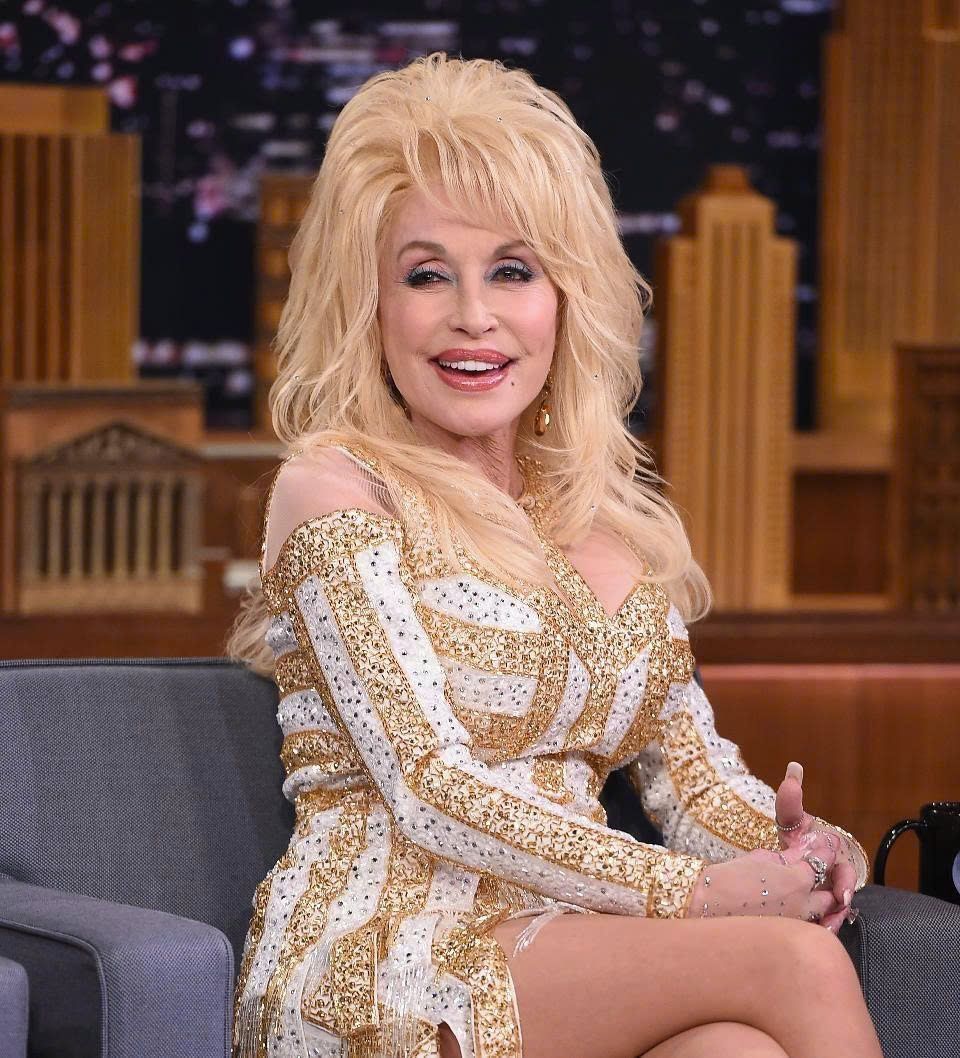
“Dagger Through the Heart” by Dolly Parton is a powerful country and bluegrass song about the devastating pain of betrayal, lost trust, and a love that refuses to disappear quietly. Written and performed by Parton, the song appeared on her 2002 album Halos & Horns, a collection that blended traditional Appalachian sounds with the emotional honesty that has defined much of her career. The song later earned a nomination for Best Female Country Vocal Performance, confirming the strength of both Parton’s writing and her deeply expressive delivery. From its opening moments, “Dagger Through the Heart” creates the feeling of a private confession. The title itself is vivid and unforgettable: heartbreak is not described as a passing sadness, but as a sharp wound that cuts directly into the center of a person’s emotional life. Parton sings from the perspective of someone who has been deeply hurt by a lover, yet the song is more than a simple story of anger. Beneath the disappointment is the painful realization that love can remain even after trust has been destroyed. That emotional contradiction gives the song its power. The narrator knows she has been wounded, but she cannot immediately erase the memories, hopes, and affection that once made the relationship meaningful. Parton’s voice carries this conflict beautifully. Her singing is clear, tender, and controlled, but there is also a trembling intensity beneath the surface. She never needs to overstate the pain because every phrase sounds personal and believable. The acoustic arrangement supports the story with bluegrass energy, country warmth, and a sense of forward motion, creating an interesting contrast between the lively instrumentation and the sorrowful subject. This contrast makes the heartbreak feel even more dramatic, as though the world continues moving while the wounded heart remains trapped in one terrible moment. “Dagger Through the Heart” also demonstrates why Dolly Parton is such an admired songwriter. She can take a familiar subject—romantic betrayal—and make it feel immediate through strong imagery, direct language, and emotional precision. The song does not hide behind complicated ideas. Instead, it speaks plainly about what happens when someone you love becomes the source of your deepest pain. Many listeners can recognize themselves in that experience, whether they have faced infidelity, abandonment, broken promises, or the slow collapse of a relationship they believed would last. Yet the song is not completely defeated. By telling the truth about her suffering, the narrator begins to reclaim her voice. There is strength in naming the wound and refusing to pretend that it does not hurt. That combination of vulnerability and resilience is central to Parton’s music. She allows sadness to be fully felt, but she never makes weakness the final destination. Its enduring appeal also comes from the balance between tradition and personality. The mandolin-driven sound recalls the mountain music of Parton’s childhood, while her phrasing makes every emotional turn uniquely hers. Listeners are not simply hearing a dramatic breakup song; they are hearing a survivor carefully describe the moment love became pain. More than two decades after its release, “Dagger Through the Heart” remains a striking example of Dolly Parton’s ability to transform heartbreak into art. It is sorrowful, melodic, honest, and unmistakably human—a song for anyone who has discovered that the person closest to the heart can sometimes cause the deepest wound.