Watch the video at the end of this article.
Introduction
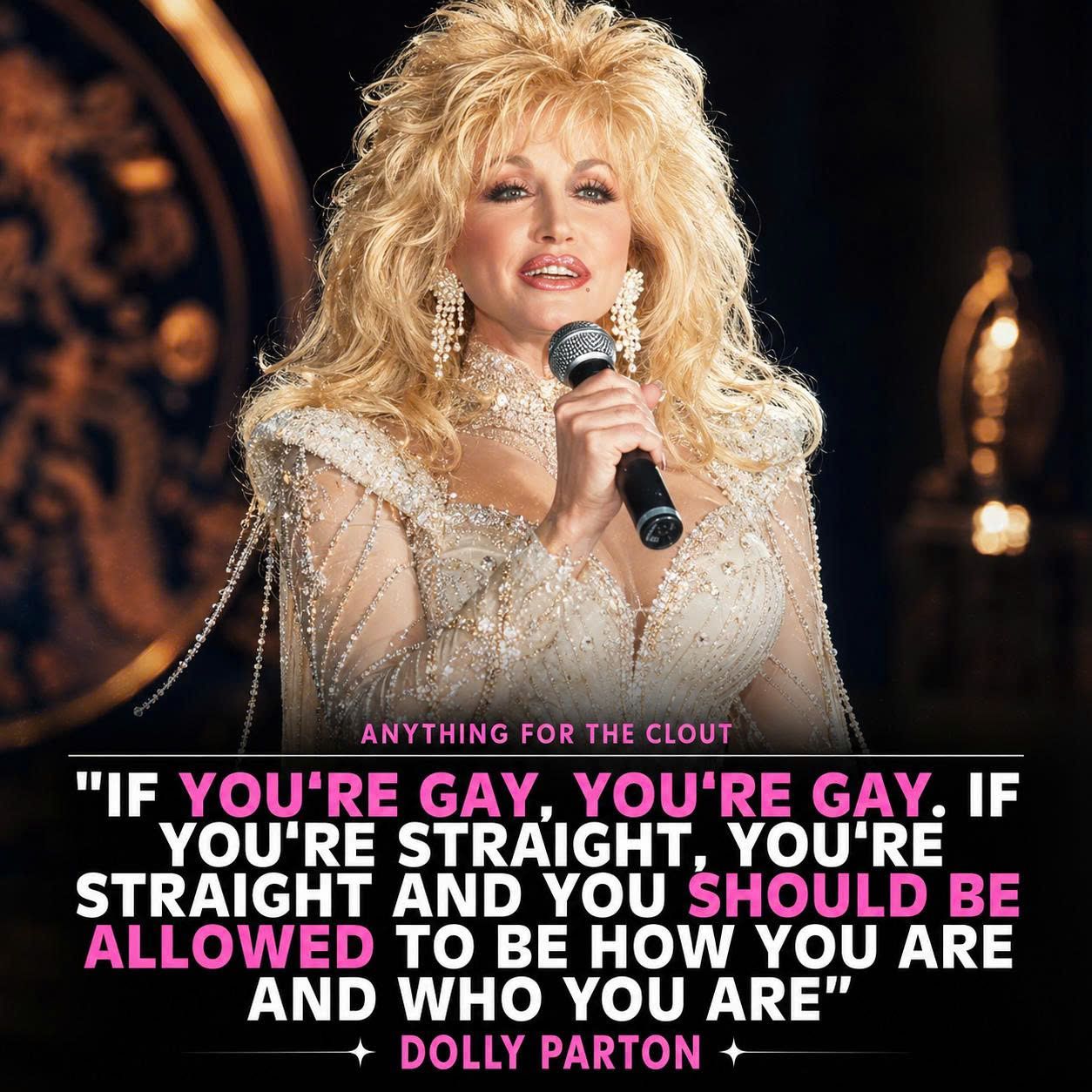
For more than seven decades, Dolly Parton has been one of the most recognizable and beloved figures in American music. Her unmistakable voice, sparkling personality, unforgettable songs, and extraordinary talent have carried her from the mountains of Tennessee to some of the biggest stages in the world. Yet behind the rhinestones, awards, sold-out performances, and legendary career, one message has remained remarkably consistent: every person deserves kindness, respect, and a place where they feel they belong.
Dolly Parton’s story has always been about more than fame. She grew up in humble circumstances in rural Tennessee, surrounded by a large family, faith, music, and the challenges of having very little. Those early experiences never disappeared from her heart, even after she became an international superstar. Instead, they helped shape the compassion that would become one of the defining qualities of her public life.
Throughout her career, Dolly has often spoken about treating people with dignity, even when they come from different backgrounds, hold different beliefs, or live differently from one another. She has built a reputation for refusing to make cruelty fashionable. In a world where disagreement can quickly become division, Dolly’s approach has often been surprisingly simple: you do not have to understand everything about another person to treat them with respect.
That philosophy can also be heard in her music. Songs such as “Coat of Many Colors” transformed deeply personal experiences into universal stories about poverty, pride, family, and self-worth. Dolly showed generations of listeners that a person’s value cannot be measured by money, appearance, or social status. Sometimes, the greatest treasures are the ones created through love.
Her compassion has extended far beyond the stage. Through charitable efforts, literacy programs, educational support, disaster relief, and community investment, Dolly has repeatedly turned her success into opportunities for others. Her Imagination Library, created to provide books to young children, became one of the clearest examples of her belief that every child deserves the chance to dream, learn, and imagine a better future.
Perhaps that is why Dolly Parton has remained relevant across generations. Grandparents who first heard her songs decades ago can admire the same woman their grandchildren are discovering today. Styles change. Music changes. The entertainment industry changes. But kindness never becomes outdated.
Dolly has never needed everyone to agree with her. Instead, she has repeatedly encouraged people to lead with understanding and humanity. Her message is not complicated, but its simplicity gives it power: people want to be seen, valued, respected, and loved.
After more than seventy years in music, Dolly Parton’s legacy cannot be measured only in records sold, awards won, or songs written. Her greatest influence may be the way she has made people feel.
She reminds us that success means more when it creates room for others. That strength does not require cruelty. That differences do not have to become walls. And that no matter who we are, where we come from, or what our story looks like, everyone deserves kindness, respect, and a place where they can proudly say, “I belong here.”
That message has survived seven decades.
And perhaps that is why Dolly Parton has, too.