Watch the video at the end of this article.
Introduction
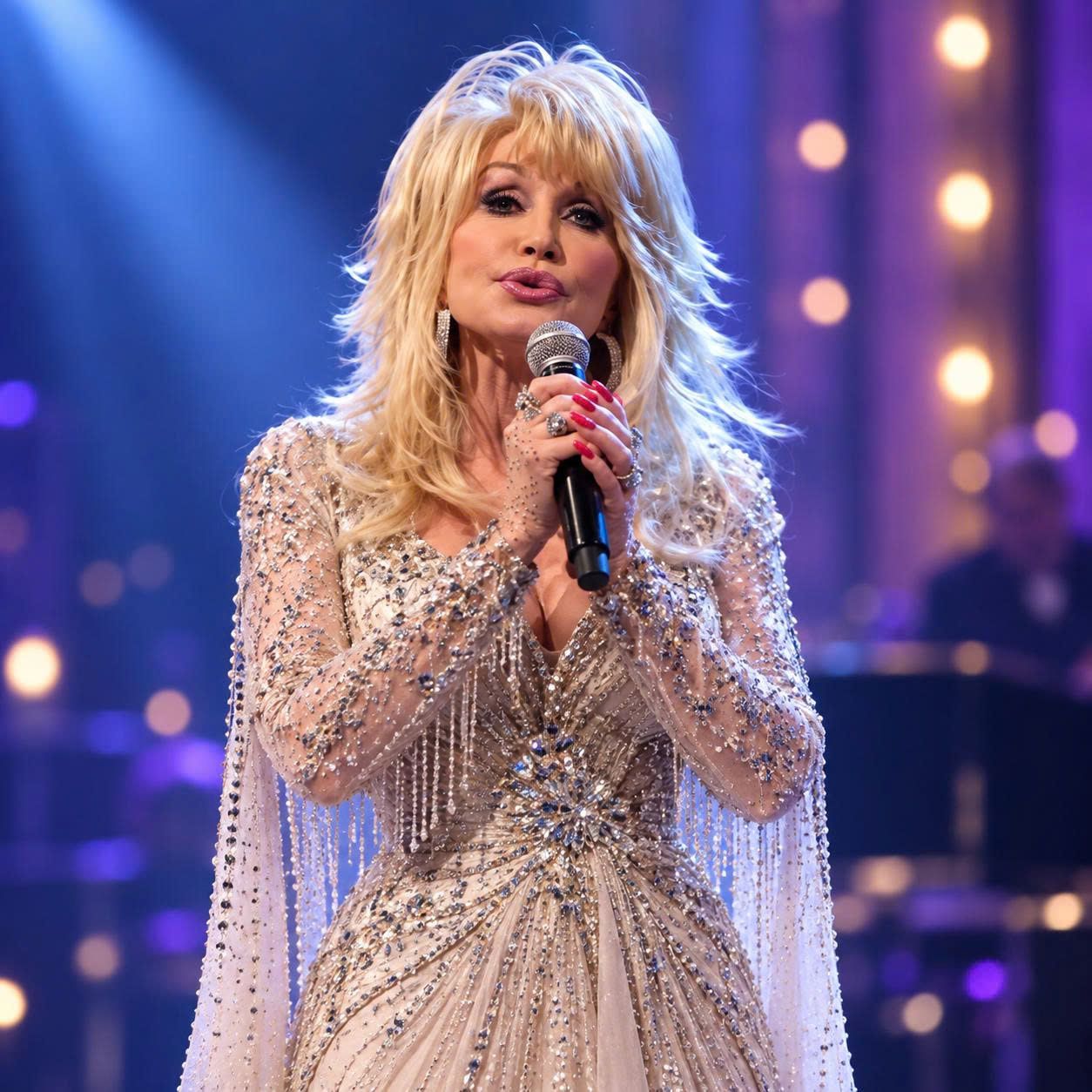
Dolly Parton has long been celebrated as one of the most gifted and beloved entertainers in American music, but her talents have always extended far beyond the stage. She is a brilliant songwriter, an accomplished musician, a storyteller, a woman who has often shared her love of traditional Southern cooking, and perhaps most remarkably, an exceptional communicator. Throughout decades in the public eye, Dolly developed an extraordinary ability to respond to criticism, teasing, uncomfortable questions, and even outright insults without losing her warmth, dignity, or sense of humor.
That ability became one of her greatest strengths.
Dolly understood something that many people spend a lifetime trying to learn: not every insult deserves anger, and not every cruel remark deserves a fight. When someone tried to make fun of her appearance, her clothes, her voice, or the glamorous image she deliberately created, Dolly rarely seemed interested in allowing the comment to control the conversation. Instead, she often turned the moment around with a clever joke, an unexpected compliment, or a playful response that left everyone smiling.
Her humor was powerful because it was rarely cruel.
She could laugh at herself without diminishing herself. She could acknowledge a joke without becoming its victim. She knew exactly who she was, and that confidence made it difficult for other people’s opinions to define her.
For years, critics commented on Dolly’s big hair, sparkling outfits, dramatic makeup, and unmistakable style. Rather than pretending the criticism did not exist, she frequently embraced the very things people mocked. She made her appearance part of her story and transformed judgment into entertainment. By doing so, she controlled the narrative instead of allowing strangers to control it for her.
That same emotional intelligence appeared in interviews. Dolly could answer difficult questions with honesty while still protecting her privacy. She knew when to be serious, when to use humor, and when a gentle sentence could communicate more than an argument ever could.
Perhaps this is why people from so many different backgrounds have felt comfortable listening to her. Dolly rarely needed to raise her voice to make herself heard. Her communication style was filled with warmth, simplicity, confidence, and compassion.
Her personality also reflected the world she came from. Growing up in the mountains of East Tennessee in a large family taught her about storytelling, family traditions, hard work, music, and the importance of connecting with people. Those lessons followed her into adulthood and became part of the way she approached fame.
Even after achieving extraordinary success, Dolly continued to speak in a way that felt familiar and human. She could sit beside celebrities, politicians, musicians, journalists, or ordinary fans and still sound like the same woman telling stories around a kitchen table.
That may be one of Dolly Parton’s greatest gifts.
Her music gave people songs to remember. Her humor gave them reasons to smile. Her generosity gave countless people opportunities. But her communication taught another lasting lesson: strength does not always have to sound aggressive.
Sometimes the strongest response is a smile.
Sometimes wisdom arrives as a joke.
And sometimes the most powerful person in the room is the one who refuses to let another person’s bitterness change who she is.
Dolly Parton showed that grace, humor, confidence, and kindness can be powerful forms of communication—and perhaps that is one reason her voice has remained unforgettable for generations.