Watch the video at the end of this article.
Introduction
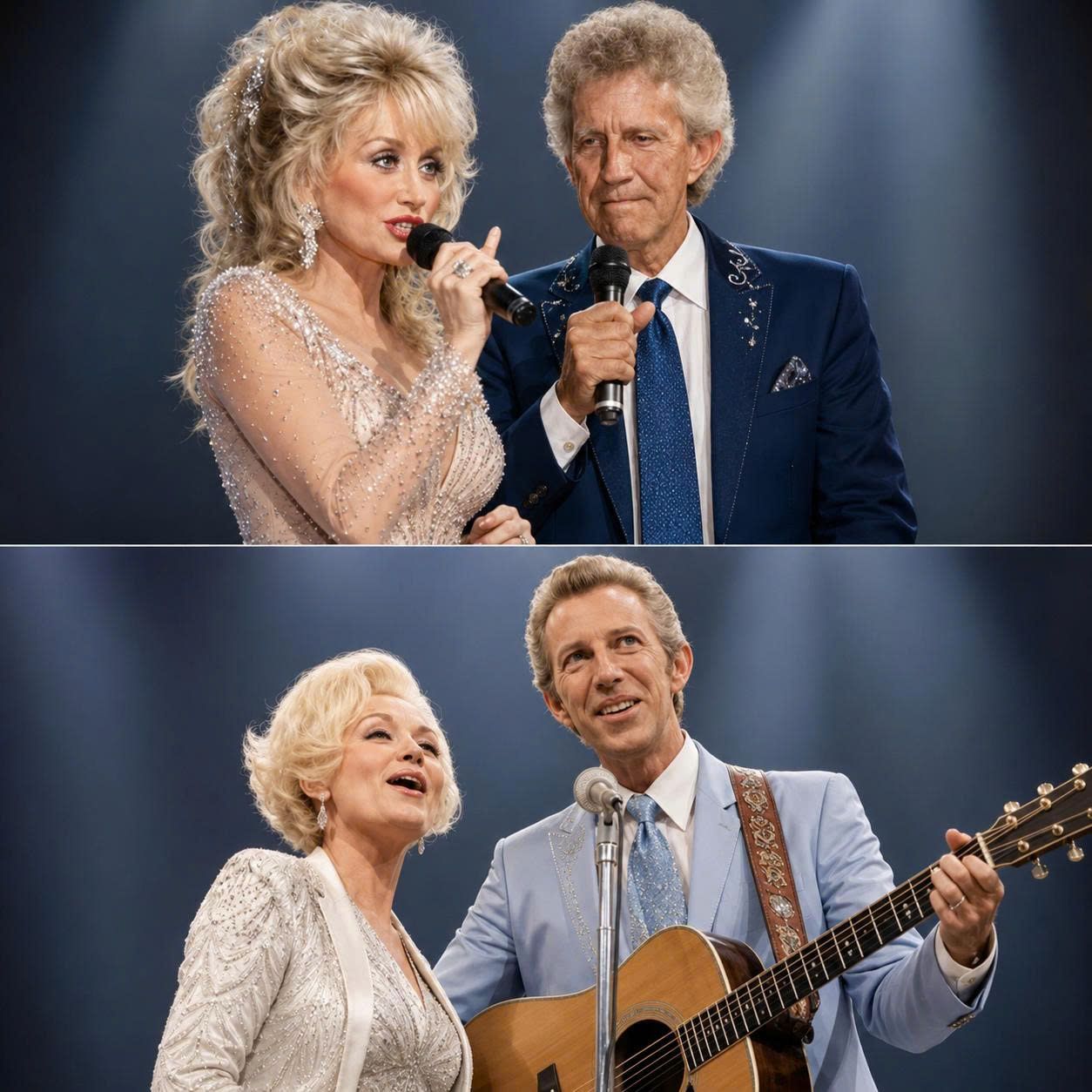
In 1967, Dolly Parton was twenty-one years old, dirt poor from the Tennessee mountains, with a voice that could shatter glass and ambitions that terrified men twice her age. She arrived in Nashville carrying more courage than money, dressed boldly and refusing to make herself smaller for anyone. Behind the glamorous appearance was a young woman who had grown up in a one-room cabin with eleven brothers and sisters, where every dollar mattered and music was one of the few treasures her family could afford. Dolly understood hardship, but she never allowed poverty to define the size of her dreams. She had been writing songs since childhood, shaping loneliness, faith, family, and mountain life into melodies that sounded honest because they were born from experience. Nashville, however, was controlled largely by powerful men who believed they knew what a female country singer should look like, sound like, and say. Dolly listened politely, smiled sweetly, and then continued doing things her own way. She was not interested in becoming merely another pretty voice singing songs chosen by someone else. She wanted to write, perform, build a career, and control her own future. That determination unsettled people. Her confidence was often mistaken for stubbornness, while her intelligence was hidden beneath jokes, rhinestones, and a soft Southern accent. Yet Dolly knew exactly what she was doing. Her breakthrough came when Porter Wagoner invited her to join his popular television show. The opportunity gave her national exposure, but it also placed her beside an established star with a strong personality and enormous influence. Many viewers initially resisted her because they had loved Porter’s previous female partner. Dolly faced criticism, rejection, and even angry demands from audiences who wanted the old singer back. Instead of retreating, she worked harder. Night after night, she sang with warmth and power until listeners began to recognize that she was not replacing anyone; she was creating a place that belonged entirely to her. Her voice could rise with mountain clarity, tremble with heartbreak, and cut through an orchestra with astonishing force. More importantly, she brought stories that ordinary people understood. She sang about women who were judged, families who struggled, and people who held onto dignity when life offered them very little. Beneath the sparkle was emotional truth. By the end of 1967, Dolly Parton was no longer simply a poor girl hoping Nashville would notice her. She had entered the room, claimed the microphone, and made the industry confront a new kind of female ambition. She could be feminine without being weak, grateful without being obedient, and charming without surrendering control. The men around her may have believed they were shaping her career, but Dolly was quietly studying every contract, every stage, and every opportunity. She was learning how power worked so that one day she could possess her own. At twenty-one, she did not yet have the wealth, awards, businesses, or worldwide fame that would later define her name. What she had was more important: an unbreakable belief that the girl from the mountains belonged on the biggest stages in the world. Poverty had taught her endurance, music had given her a language, and ambition had given her direction. In 1967, Dolly Parton was still at the beginning, but the future was already shining in her eyes.