Watch the video at the end of this article.
Introduction
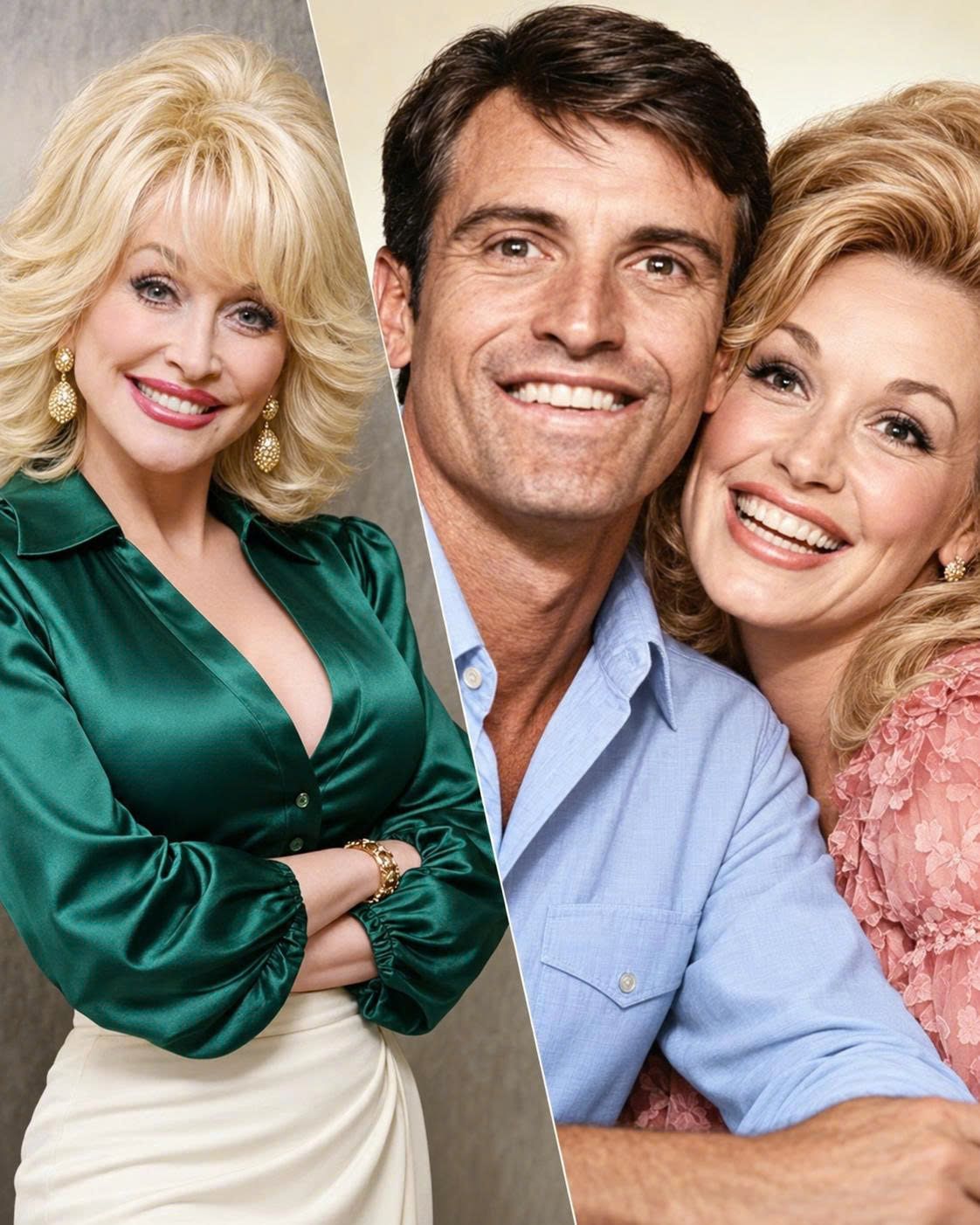
In March 2025, Dolly Parton faced a loss that fame, success, and the affection of millions could never soften: the death of her husband, Carl Dean. He died in Nashville on March 3 at eighty-two, leaving behind a marriage that had lasted nearly fifty-nine years. The announcement shared with the public was brief, tender, and protective of the family’s grief. It stated that Dean would be laid to rest in a private ceremony attended by immediate family. For a man who had spent decades avoiding celebrity attention, that quiet farewell seemed consistent with the life he had chosen.
Dean’s surviving siblings, Sandra and Donnie, were named in the announcement. However, the public statement did not provide a complete guest list, describe the ceremony, or establish that only three people attended. Likewise, claims that Parton rejected proposals for a state tribute or a large public memorial have not been substantiated by reliable reporting. Those distinctions matter because an intimate farewell deserves to be remembered without imagined details replacing the family’s actual words. The confirmed decision to keep the service private already carries considerable emotional weight.
There is something deeply moving about the boundary between a public career and a private marriage. Audiences may feel that they know an artist through songs, interviews, and performances, yet the relationship at the center of that artist’s life remains something more personal. A spouse knows the ordinary hours that never become headlines: familiar conversations, shared routines, small disagreements, and comfortable silences. When that person dies, the loss reaches into the structure of everyday existence. Public sympathy can offer comfort, but it cannot occupy the place that one particular person held.
A private funeral can give a grieving family room to experience that absence without explaining it. There is no obligation to turn sorrow into a public occasion, even when someone connected to the loss is internationally famous. Nor does a smaller gathering suggest a smaller legacy. The importance of a life cannot be measured by the number of mourners, the presence of cameras, or the scale of a tribute. Sometimes the most meaningful farewell is one whose details remain known only to those who were there.
For readers reflecting on Parton and Dean’s marriage, the privacy surrounding his farewell offers a reminder about respect. Loving someone includes recognizing that their preferences may differ from our own. Supporting a partner’s public ambitions does not require sharing their appetite for attention. Equally, belonging to an admired public figure does not make someone’s final goodbye public property. The family’s request for privacy invited supporters to respond with compassion while accepting that some moments would remain beyond their view.
The lasting image, then, need not be an invented scene beside a casket. It can be the simpler, verified understanding that a husband was mourned by the people closest to him, away from public scrutiny. After a marriage spanning almost six decades, no elaborate description could fully express what that goodbye meant. Its significance lies in the years that preceded it and in the dignity of allowing grief its own space. Honoring Carl Dean means remembering that a quiet life can leave an immense absence, and that a private farewell can express a love no audience could ever completely understand, however sincerely the world wishes to offer its sympathy, gratitude, and respect.