Watch the video at the end of this article.
Introduction
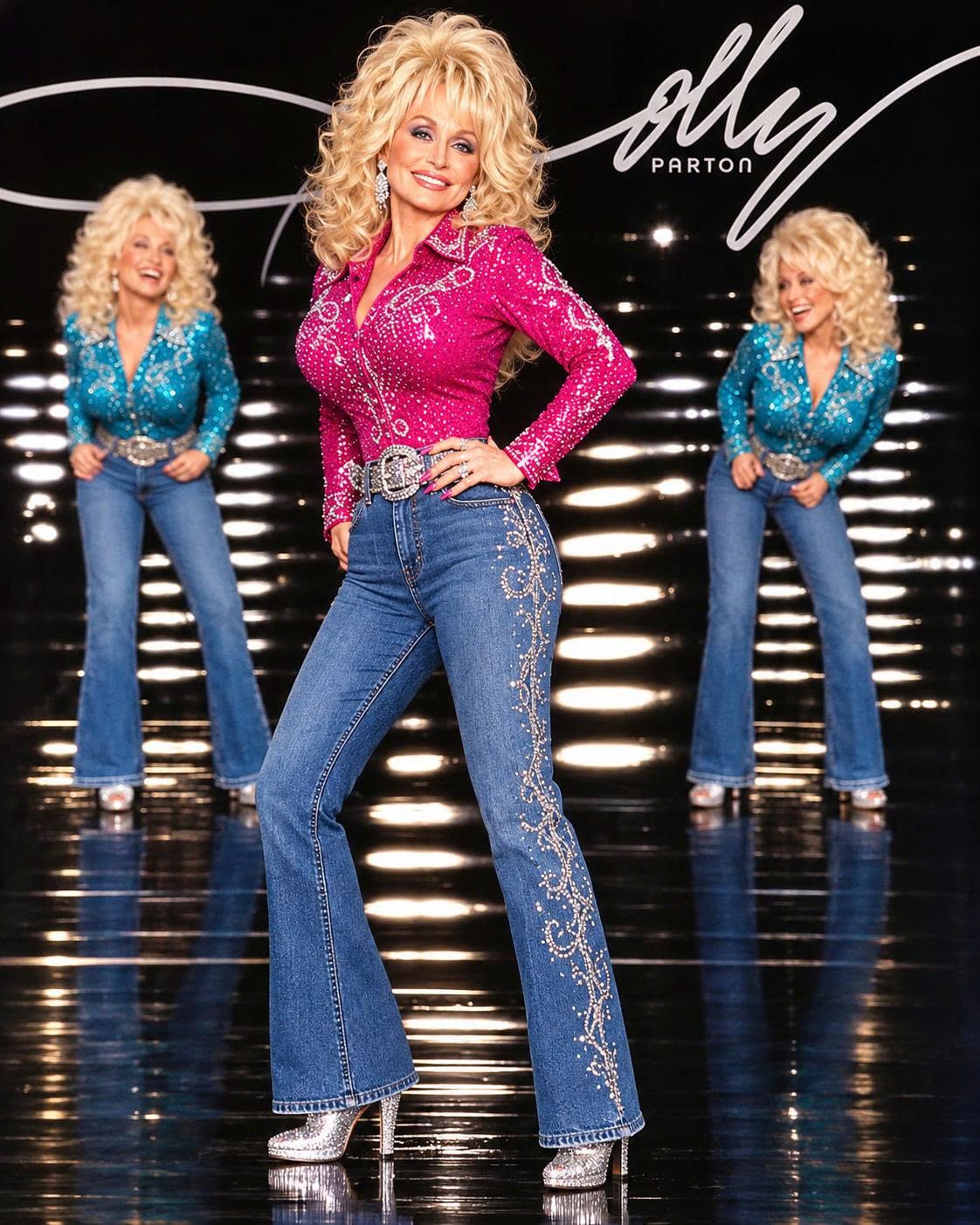
On this day in 1977, Dolly Parton released an album that would become one of the most important milestones of her extraordinary musical career. Titled Here You Come Again, her 19th solo studio album marked a turning point, introducing her unmistakable voice and personality to an even wider audience. It was more than just another country record. It was the beginning of a remarkable new chapter that helped Dolly cross musical boundaries and become a household name far beyond the world of country music.
By 1977, Dolly Parton had already established herself as one of country music’s most beloved performers. Her emotional storytelling, distinctive voice, sparkling personality, and unforgettable stage presence had earned her a devoted following. Country audiences admired her ability to turn personal experiences into songs that felt deeply familiar. Whether she was singing about heartbreak, family, love, or the struggles of everyday life, Dolly had a special gift for making listeners feel understood.
However, Dolly had ambitions that reached beyond the traditional country music audience. She wanted her songs to connect with people everywhere, regardless of their musical preferences. Here You Come Again helped make that dream a reality.
The album’s title track, written by the legendary songwriting duo Barry Mann and Cynthia Weil, became a major success. Its catchy melody, romantic lyrics, and polished production created a sound that appealed to both country and pop listeners. Dolly’s warm, expressive voice brought the song to life, making it impossible to forget. The recording became her first major crossover hit, reaching audiences who might never have discovered her through country radio alone.
The success of the song was also recognized by the music industry. In 1979, Dolly won the Grammy Award for Best Female Country Vocal Performance for “Here You Come Again.” This achievement confirmed that her growing popularity was not simply a passing trend. She had found a way to expand her musical reach while remaining true to the qualities that made her special.
What made this transformation particularly remarkable was that Dolly never abandoned the people who had supported her from the beginning. She continued recording country music, celebrating her Appalachian roots, and telling heartfelt stories through her songs. Instead of choosing between country and pop, she demonstrated that an artist could embrace both worlds without losing her identity.
The album also featured memorable songs that showcased her versatility and emotional depth. Every track reflected a performer who was becoming increasingly confident in her artistic direction. Dolly was no longer simply a country star with crossover potential. She was becoming an international entertainer whose influence would extend across generations.
Looking back, Here You Come Again represents much more than a successful album released in 1977. It represents courage, ambition, and the willingness to take a chance on something new. Dolly opened the door to pop audiences while keeping her country fans close to her heart.
That is perhaps one of the greatest reasons her music continues to endure. She never forgot where she came from, even as the world discovered where she was going.
More than four decades later, “Here You Come Again” remains a beloved reminder of the moment Dolly Parton brought two musical worlds together. Her voice, her talent, and her genuine connection with listeners proved that great music has no boundaries.