Watch the video at the end of this article.
Introduction
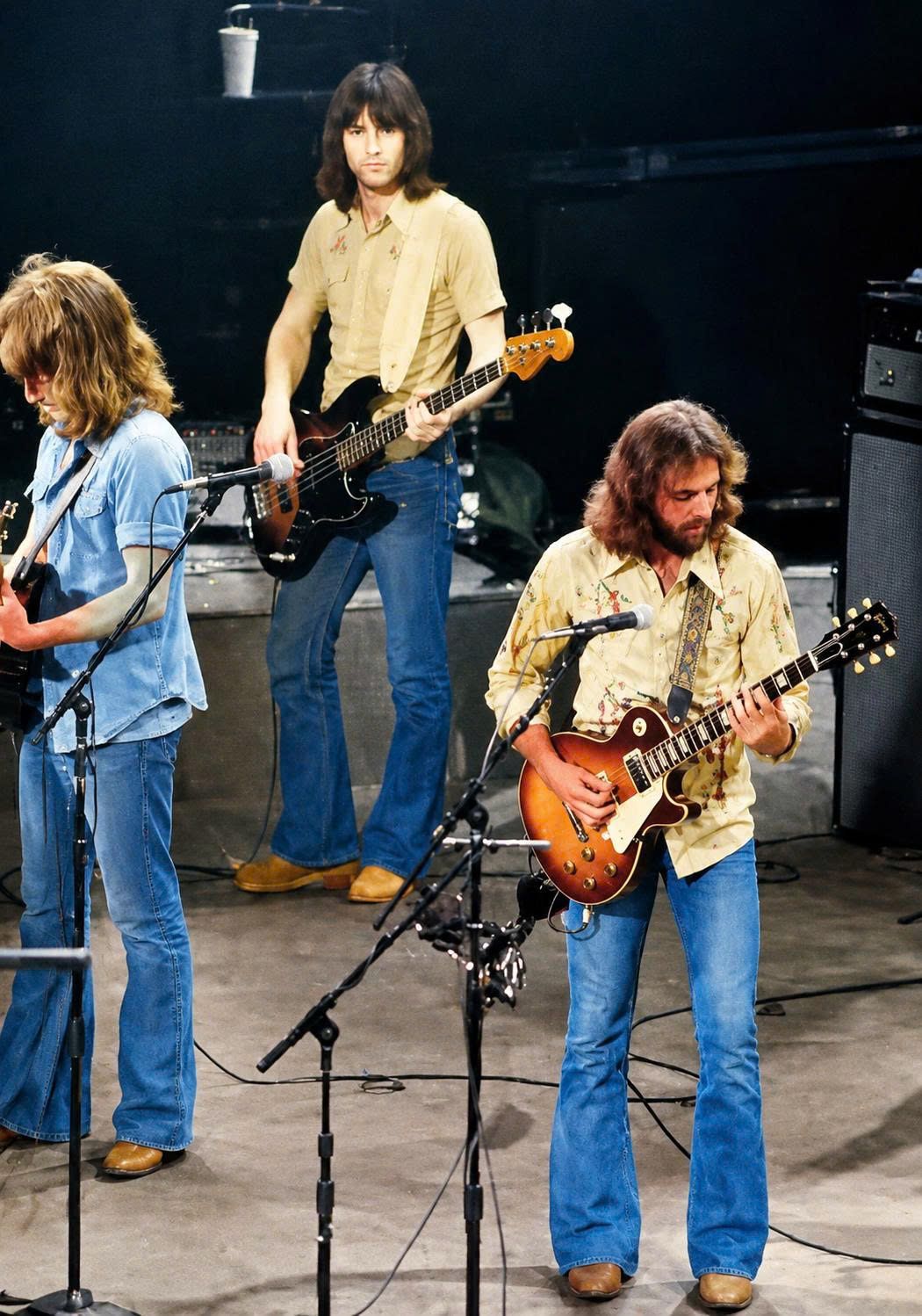
Bernie Leadon had never intended to sing one of the most heartbreaking performances in the Eagles’ catalog. Yet sometimes history is shaped not by careful planning, but by devastating loss. In the autumn of 1973, the country-rock world was left stunned when Gram Parsons, one of the genre’s greatest pioneers, died from a drug overdose at just twenty-six years old. Parsons had helped redefine American music by blending traditional country with rock, folk, and soul, inspiring an entire generation of musicians. Among those most deeply affected was Bernie Leadon, the Eagles’ gifted guitarist and banjo player, who had once shared unforgettable musical adventures with Parsons in the Flying Burrito Brothers. Their friendship extended beyond recording studios and concert stages—it was built on a shared passion for authentic country music and fearless artistic exploration. As grief swept through the close-knit music community, Leadon struggled to process the sudden loss of the man who had profoundly influenced both his career and his understanding of music itself. Instead of expressing his emotions through interviews or public statements, he chose the language he knew best: songwriting. During the recording sessions for the Eagles’ third studio album, On the Border, Leadon brought forward an intimate acoustic composition titled “My Man.” Unlike the band’s radio-friendly hits, this deeply personal ballad carried no commercial ambition. It was simply a farewell from one friend to another. Remarkably, Leadon also stepped into the spotlight to perform the lead vocal—an exceptionally rare moment in Eagles history, as Don Henley and Glenn Frey usually handled the band’s principal singing duties. His gentle, unpolished voice added an emotional honesty that no polished performance could have matched. Every lyric reflected admiration, heartbreak, and gratitude, while subtle references echoed Parsons’ timeless classic “Hickory Wind,” quietly honoring the musical spirit that had first brought them together. Around Leadon’s heartfelt vocal, the Eagles built a breathtaking arrangement filled with warm acoustic guitars, delicate harmonies, and understated instrumentation that allowed emotion to remain at the center of every note. Rather than overwhelming listeners with dramatic production, the band embraced restraint, creating an atmosphere that felt intimate enough to resemble a private conversation between lifelong friends. That artistic choice transformed “My Man” into far more than a tribute—it became one of the earliest demonstrations of how country-rock could express profound personal loss without sacrificing musical beauty. Although the song never achieved the chart success of classics like “Already Gone,” “Best of My Love,” or “Take It Easy,” devoted Eagles fans have long recognized it as one of the group’s hidden masterpieces. Critics and historians frequently describe it as one of the most sincere memorial songs ever recorded because its emotion feels entirely genuine rather than manufactured for commercial appeal. For Bernie Leadon, the recording represented a deeply personal goodbye; for listeners, it became a timeless reminder that great music often emerges from life’s greatest heartbreaks. More than fifty years later, “My Man” continues to resonate with audiences discovering Gram Parsons’ extraordinary legacy for the first time. Each listen reveals another layer of respect, friendship, and quiet sorrow embedded within the performance. While Gram Parsons’ life ended far too soon, his influence never disappeared. Through Bernie Leadon’s rare lead vocal and the Eagles’ unforgettable harmonies, his spirit continues to soar, reminding generations of music lovers that true artistry never dies—it simply finds new voices willing to carry its melody forward.