Watch the video at the end of this article.
Introduction
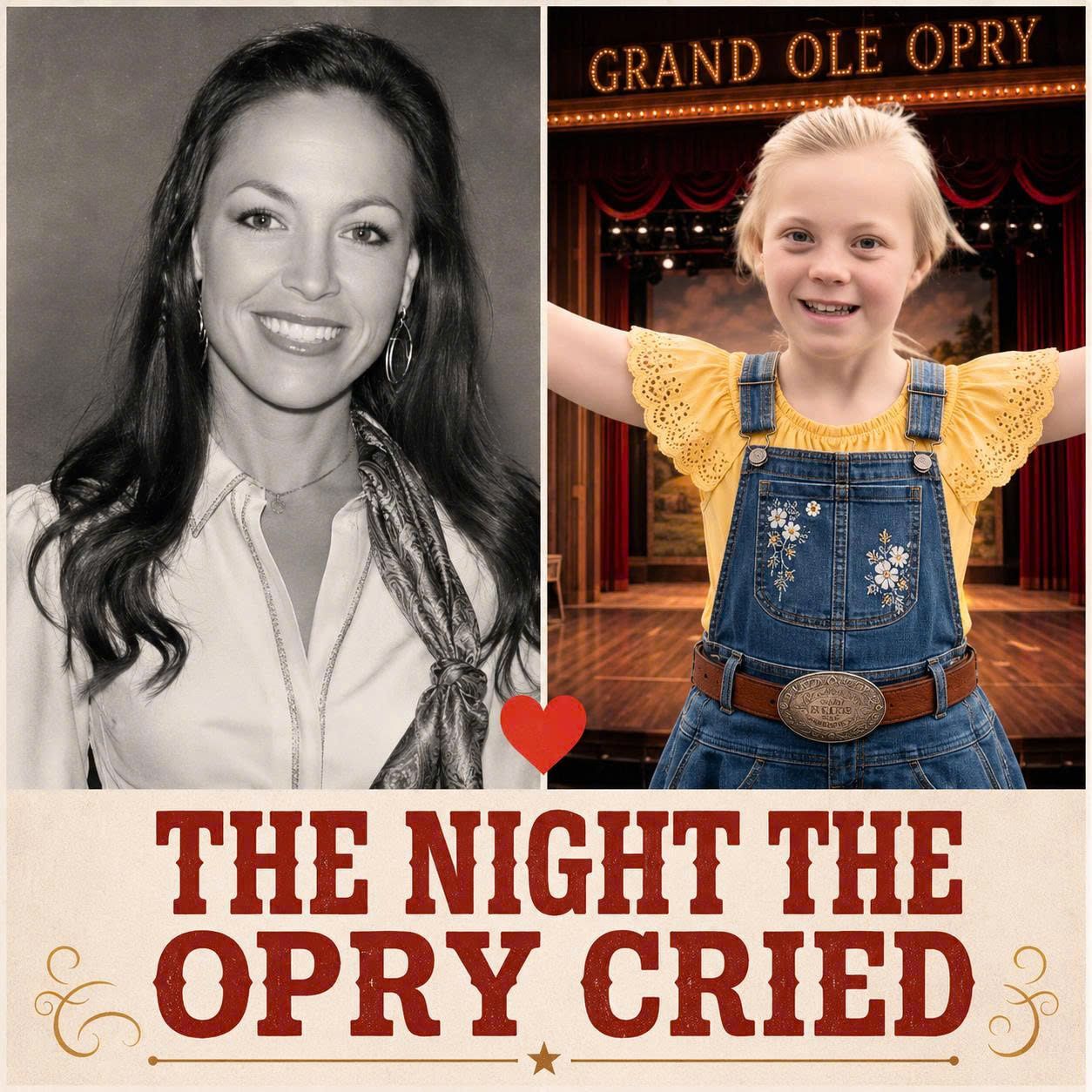
There are nights in country music history that are remembered for a great song, a standing ovation, or a legendary performance. And then there are nights remembered because an entire room seemed to feel the same heartbreak at once. One of those unforgettable moments came in March 1974, when the Grand Ole Opry prepared to say goodbye to the Ryman Auditorium, the building that had become known around the world as the Mother Church of Country Music.
For more than three decades, the Ryman had been the spiritual home of the Opry. Its wooden pews had welcomed generations of country music fans, while its stage had carried voices that helped define American music. By the early 1970s, however, the Opry was preparing to move to a modern new home across Nashville. The new Grand Ole Opry House would offer more space and better production facilities, but progress came with a price: Nashville had to say goodbye to a place filled with memories.
On that final Opry night at the Ryman, March 15, 1974, the emotions could no longer be hidden.
Perhaps no one captured the feeling better than Minnie Pearl.
Known for her warm comedy, trademark hat, and joyful cry of “How-dee!”, Minnie had spent years making audiences laugh. But that evening, laughter gave way to tears. As the reality of leaving the Ryman settled over the performers and audience, Minnie Pearl became emotional while speaking about the building and everything it represented. A newspaper account of the farewell famously captured the moment with a headline suggesting that everything had seemed almost routine — until Minnie cried.
Suddenly, this was no ordinary Saturday night radio show.
It felt like a family leaving the home where its most treasured memories had been made.
The Ryman’s walls seemed to hold the echoes of countless performances: voices rising beneath its famous wooden roof, musicians waiting nervously backstage, young singers stepping into the spotlight for the first time, and legends returning again and again to the stage that had helped make them famous.
Minnie Pearl reminded everyone that although the building was changing, the heart of the Opry would continue. Through her tears, she expressed the belief that the Grand Ole Opry was ultimately about its audience and its people, not simply four walls and a stage.
That idea became part of the Opry’s next chapter.
When the new Grand Ole Opry House opened, a six-foot circle of wood taken from the Ryman stage was installed at center stage. Performers stepping into that circle were therefore standing on a physical piece of the Opry’s history — connecting every new generation with the legends who had come before them.
That is why the night the Grand Ole Opry “cried” remains so powerful.
It was not really about leaving a building.
It was about realizing that places can become containers for memory. Every song, every laugh, every nervous debut, every farewell and every standing ovation had left something behind.
The Opry moved forward, but it did not forget.
And perhaps that is the deepest tradition in country music itself: carrying yesterday with you while finding the courage to sing tomorrow’s song.