Watch the video at the end of this article.
Introduction
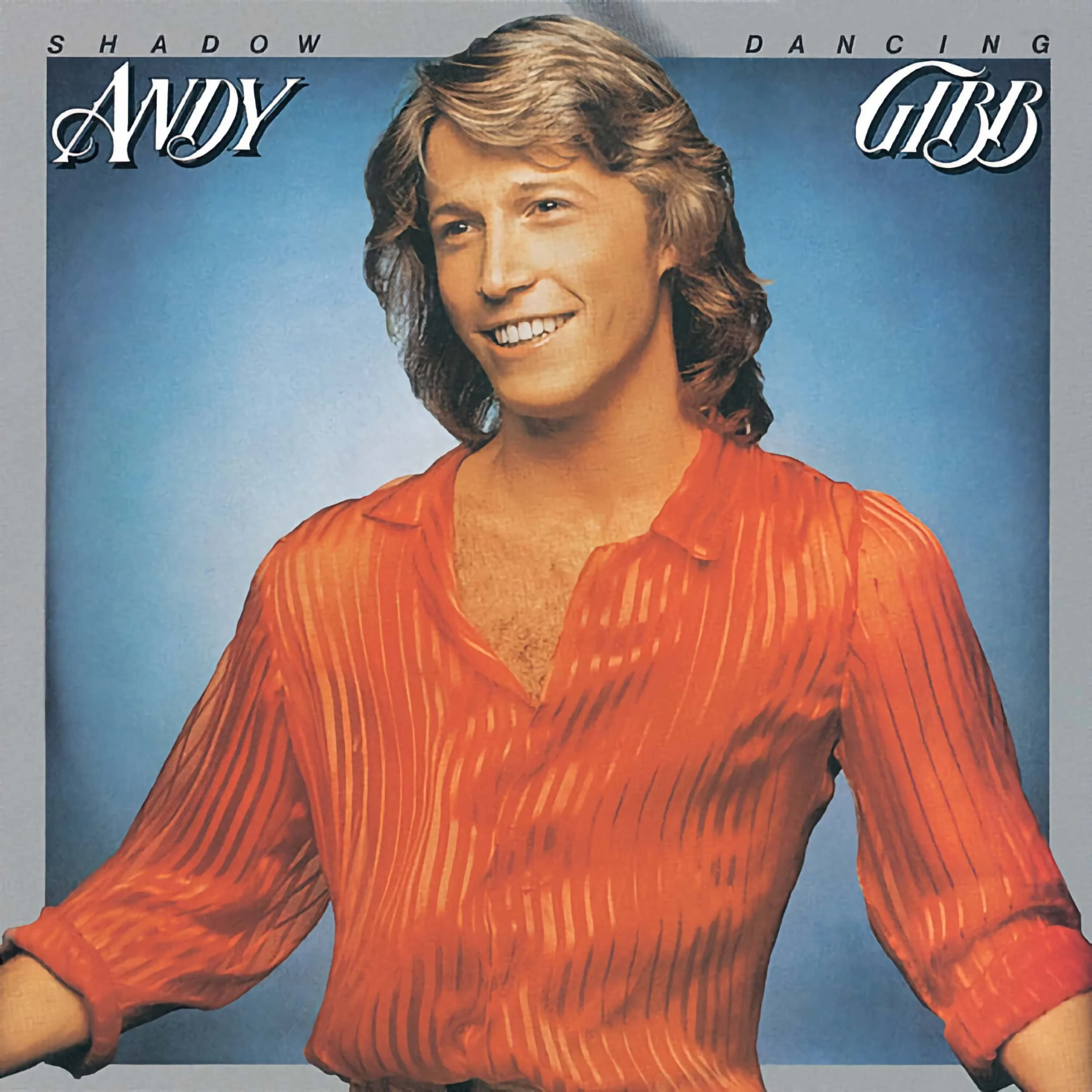
Andy Gibb was one of the brightest young stars of the late 1970s. Handsome, charismatic, and blessed with a remarkable singing voice, he quickly became a global sensation. As the youngest brother of the legendary Bee Gees—Barry, Robin, and Maurice Gibb—many believed Andy was destined for a long and successful career. Instead, his life ended in tragedy, leaving behind a story that continues to fascinate and heartbreak fans decades later.
Born Andrew Roy Gibb on March 5, 1958, in England, Andy grew up surrounded by music. While his older brothers were conquering the world as the Bee Gees, Andy dreamed of creating his own path. By the age of 19, he had already achieved something extraordinary. His first three singles, “I Just Want to Be Your Everything,” “(Love Is) Thicker Than Water,” and “Shadow Dancing,” all reached No. 1 on the Billboard Hot 100, making him the first solo artist in history to accomplish such a feat.
At the height of his fame, Andy appeared unstoppable. He sold millions of records, starred on television, and became one of the most recognizable teen idols of his generation. Yet behind the glamorous image, serious personal struggles were beginning to emerge. The pressure of fame, constant public attention, and the challenge of living in the shadow of the Bee Gees took a heavy toll on him. Reports from family members and biographers suggest that Andy battled insecurity despite his incredible success.
As the 1980s progressed, his career began to unravel. Drug addiction increasingly affected both his professional and personal life. He missed performances, lost major opportunities, and damaged important relationships. Even after seeking treatment and attempting several comebacks, Andy struggled to regain the stability he once had. By 1987, financial difficulties had become so severe that he filed for bankruptcy.
In early 1988, there appeared to be a glimmer of hope. Andy was working on new music and exploring the possibility of a fresh start. Friends and family believed he was determined to rebuild his career. However, shortly after celebrating his 30th birthday, he suddenly became ill while staying in England. He was admitted to a hospital near Oxford with severe health complications.
On March 10, 1988, only five days after turning 30, Andy Gibb died. The official cause of death was myocarditis, an inflammation of the heart muscle caused by a viral infection. Medical reports indicated that years of substance abuse had severely weakened his heart, making it far less capable of fighting the illness. His death shocked the music world and devastated his family. Barry Gibb later described the loss as a life-changing tragedy from which the family never fully recovered.
Following his passing, Andy was laid to rest at Forest Lawn Memorial Park. His grave has since become a place of remembrance for fans who continue to celebrate his music and legacy. Visitors often leave flowers, letters, and personal tributes in honor of the talented young performer whose life ended far too soon.
Today, Andy Gibb is remembered not only for the tragedy of his death but also for the remarkable achievements he accomplished in such a short time. His songs remain beloved by fans around the world, and his story serves as both a celebration of extraordinary talent and a reminder of the hidden struggles that can accompany fame. Though he lived only 30 years, Andy’s voice, charm, and musical legacy continue to endure, ensuring that the youngest Gibb brother will never be forgotten.