Watch the video at the end of this article.
Introduction
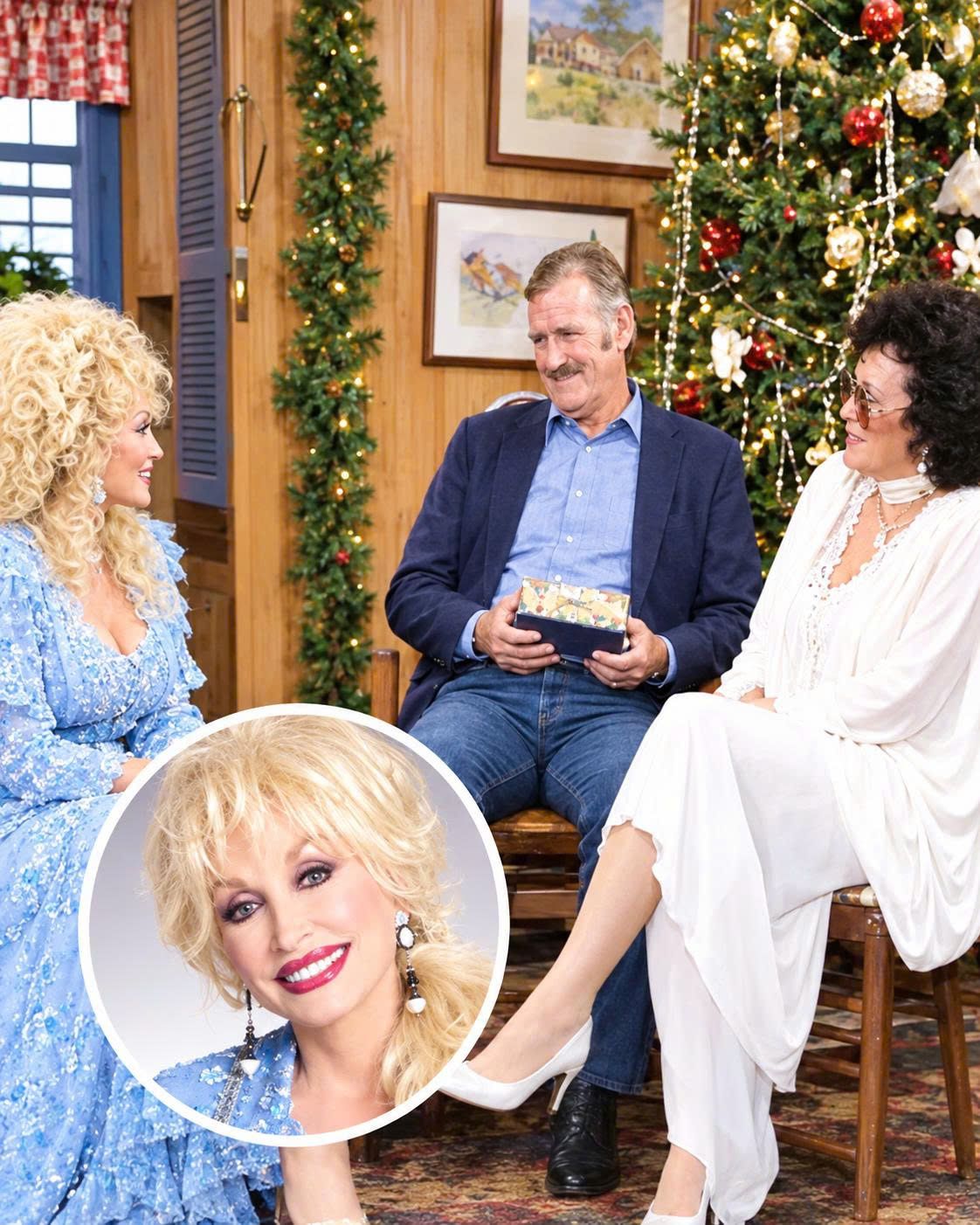
When Dolly Parton’s first real money began arriving in Nashville in the late 1960s, it could have marked the beginning of a completely different life. She was a young woman stepping into the demanding world of country music, where talent was only part of the struggle. Artists were expected to look polished, build a recognizable image, and compete for attention in a rapidly changing industry. For Dolly, that meant clothes, appearances, travel, recordings, and all the expenses that came with establishing herself as a professional performer. Yet even as Nashville opened its doors to her, her heart remained firmly rooted in the Smoky Mountains of East Tennessee. Instead of spending her first meaningful earnings entirely on herself, Dolly sent much of that money home to her family in Sevierville.
Her decision was not simply an act of generosity. It reflected the reality of the childhood she had known. Dolly was one of twelve children born to Robert Lee and Avie Lee Parton, and growing up with such a large family meant that even the simplest necessities could become difficult to afford. Her parents worked hard, but money was scarce, and providing food, warmth, and basic household supplies for twelve children was a constant challenge. Items that many families might take for granted, such as cornmeal, flour, and kerosene, sometimes had to be purchased on credit. At a local grocery store, the Parton family name became familiar in the store ledger, connected to a running account that seemed to stretch endlessly into the future.
For young Dolly, those memories never disappeared when she entered the world of professional music. Success in Nashville may have given her opportunities that her family could scarcely have imagined, but it also reminded her of where she had come from. The first money she earned was therefore more than a paycheck. To Dolly, it represented an opportunity to repay some of the people who had sacrificed so much for her. Her parents had raised their children under difficult circumstances, often making something out of almost nothing. They had given Dolly a home filled with music, faith, family, and stories, even when they lacked financial security. When she finally had the means to help, she did not hesitate.
There is something especially moving about this chapter of Dolly Parton’s life because it reveals the values beneath the glamorous image of the future superstar. Before the rhinestones, sold-out concerts, awards, and worldwide fame, there was a young woman who remembered the grocery-store ledger and the struggles of her childhood. She understood what it meant to have too little and to depend on the kindness and patience of others. Her first instinct was not to distance herself from that past, but to reach back toward it.
That choice became part of the foundation of Dolly’s remarkable story. Her success did not erase her roots; instead, it gave her the ability to honor them. The money that first arrived in Nashville traveled back to the mountains, helping ease the burden carried by her parents for years. In that simple gesture was a powerful expression of gratitude. Dolly Parton was beginning to build a career, but she never forgot the family and community that had helped build her. Her story reminds us that true success is not only measured by how far someone travels, but also by whether they remember to reach back and help those who helped them along the way.
Video
https://youtu.be/fXuo7nk7tQ4?si=1fHY8aP9VORYF8CT