Watch the video at the end of this article.
Introduction
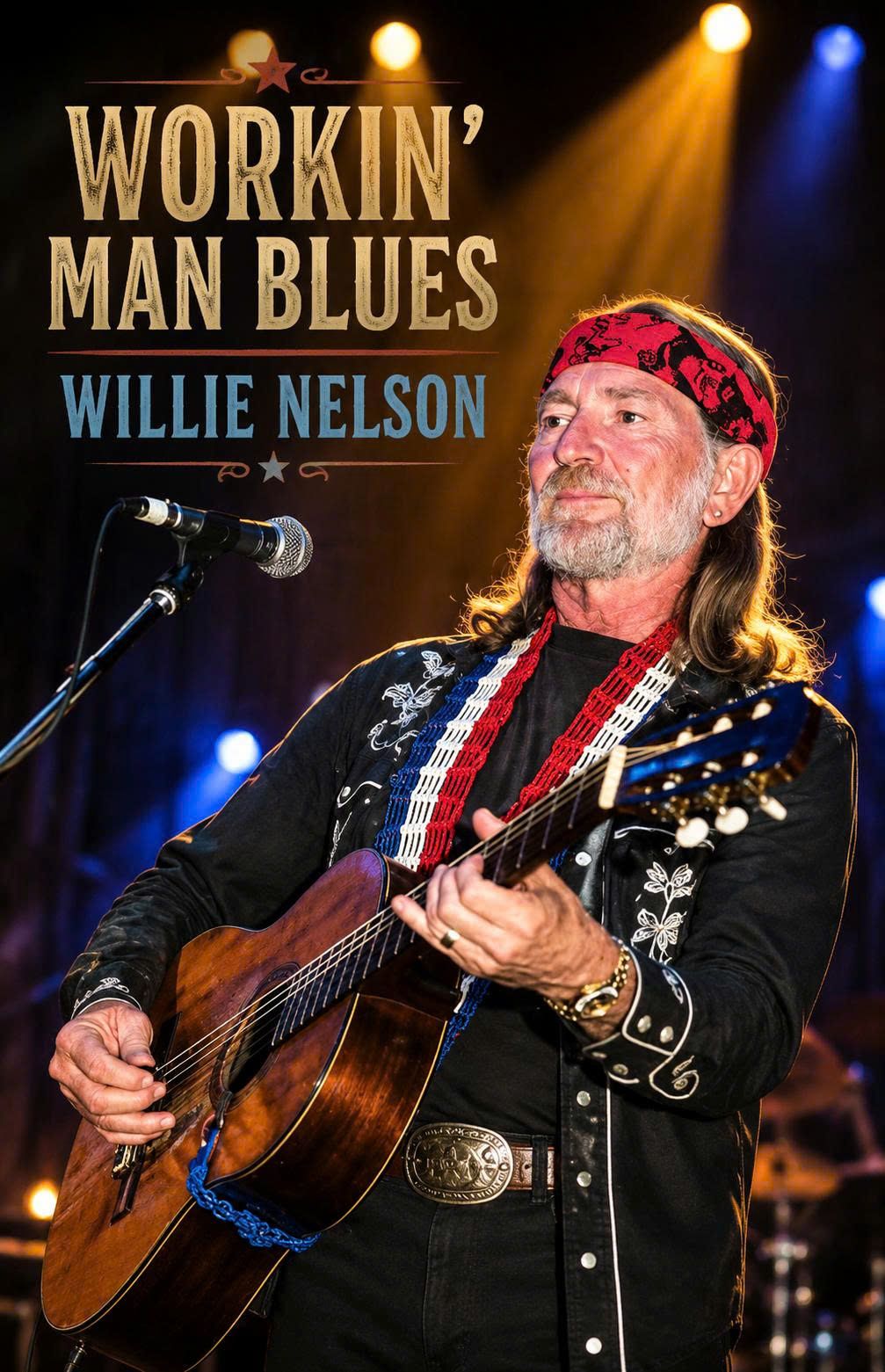
Some songs do more than entertain. They tell the story of everyday people whose hard work keeps the world moving. “Workin’ Man Blues” is one of those songs.
Originally written and recorded by Merle Haggard in 1969, the song quickly became an anthem for working-class Americans. Decades later, Willie Nelson brought the classic back to life with his own heartfelt interpretation, reminding listeners why its message remains as powerful today as ever.
At its core, “Workin’ Man Blues” is a celebration of dedication, responsibility, and pride. It tells the story of a man who works long hours, pays his bills, supports his family, and finds dignity in honest labor. There are no grand promises or glamorous dreams in the lyrics—just the simple truth that hard work matters.
When Willie Nelson recorded the song for his tribute album Workin’ Man: Willie Sings Merle, he wasn’t simply covering a country classic. He was honoring a lifelong friend and fellow country music legend. Willie and Merle shared a deep bond built on mutual respect, countless performances, and a love for traditional country music.
What makes Willie’s version so special is the authenticity he brings to every line. By the time he recorded the song, Willie had spent decades traveling highways, performing in small clubs, surviving industry changes, and becoming one of the most respected artists in American music history. When he sings about the life of a working man, listeners believe every word.
His weathered voice adds a layer of wisdom and experience that feels earned rather than performed. The song no longer sounds like the story of just one worker—it becomes a reflection of millions of people who wake up every morning, do their jobs, and keep moving forward despite life’s challenges.
Musically, Willie stays true to the song’s country roots. The familiar steel guitar, steady rhythm, and classic arrangement create a sense of nostalgia that longtime country fans immediately recognize. Yet the performance never feels outdated. Instead, it feels timeless.
One reason “Workin’ Man Blues” continues to resonate is because its message is universal. Whether someone works on a ranch, in a factory, behind a desk, or on the road, the desire to provide for loved ones and take pride in one’s work is something nearly everyone understands.
In an era when music often focuses on fame, wealth, and luxury, “Workin’ Man Blues” stands apart. It honors ordinary people. It acknowledges the sacrifices they make and the strength they show every day. That honesty is what has allowed the song to endure for more than half a century.
Willie Nelson’s version serves as both a tribute to Merle Haggard and a tribute to working men and women everywhere. It reminds us that greatness is not always found in headlines or spotlight moments. Sometimes greatness is found in showing up, working hard, and doing the best you can for the people you love.
More than fifty years after the song was first released, “Workin’ Man Blues” remains a powerful reminder that the backbone of any nation is its workers. And through Willie Nelson’s heartfelt performance, that message continues to inspire a new generation of listeners who understand the value of perseverance, humility, and honest work.