Watch the video at the end of this article.
Introduction
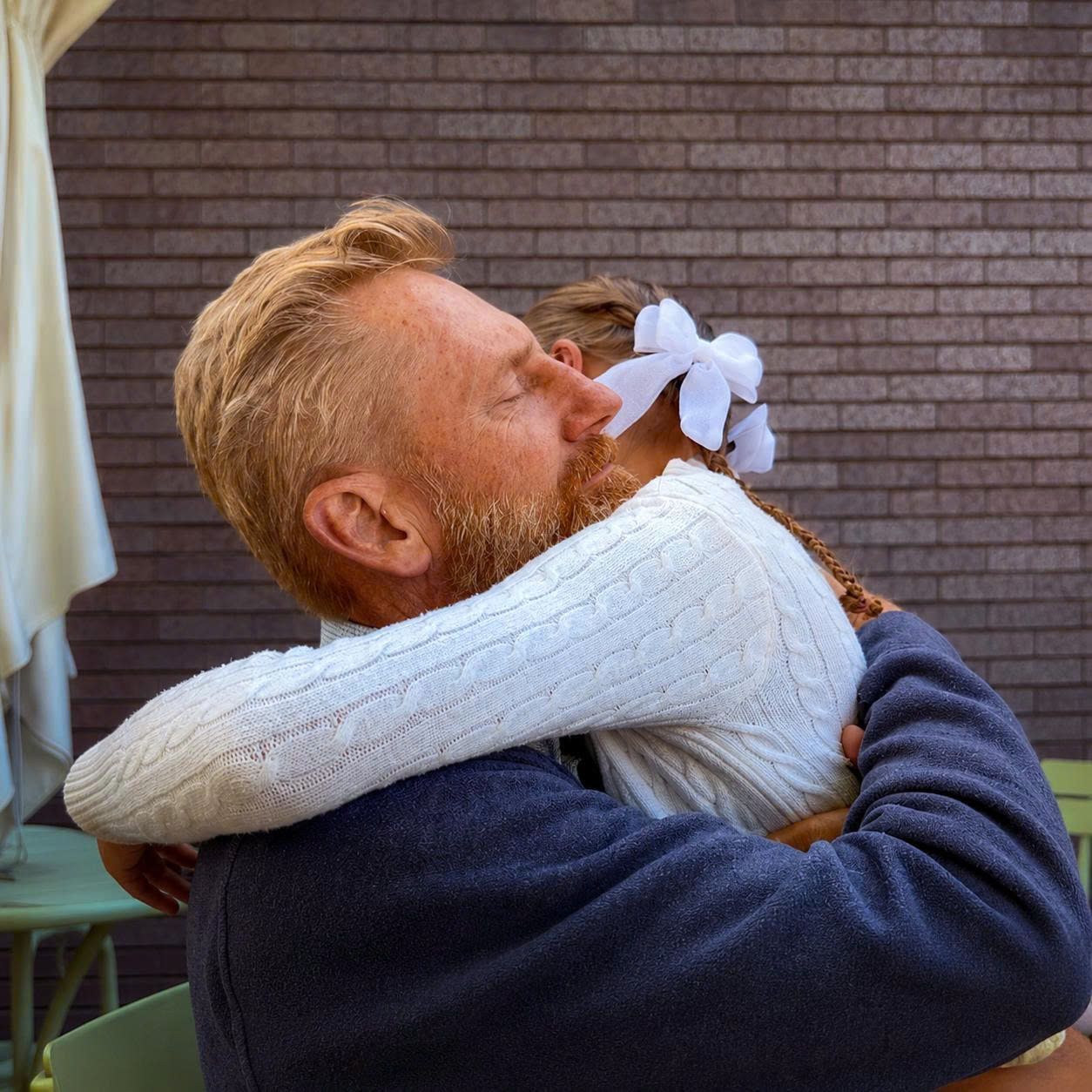
We stayed an extra day there, and after breakfast one morning, we sat her down and told her about the upcoming surgery. It was a conversation no parent feels fully prepared to have. The sunlight was coming through the windows, breakfast dishes were still on the table, and everything around us felt ordinary. Yet we knew that the words we were about to say could change the way she saw the days ahead. We wanted to be honest without frightening her, gentle without pretending that it was nothing, and hopeful without making promises we could not guarantee. So we spoke slowly, explaining that the doctors had been watching her heart for a long time and now believed it was time to repair the hole that had never closed on its own.
At first, she listened quietly. Her face was calm, but we could see her mind working as she tried to understand what surgery meant. We told her that she would go to the hospital, fall asleep with medicine, and wake up after the doctors had finished helping her heart. We explained that we would be nearby the time and that she would never have to face any part of it alone. We avoided overwhelming her with details, but we answered every question honestly. Would it hurt? How long would she stay there? Could she bring her favorite blanket? Would she be able to play again? Each question reminded us that children often focus on simple, immediate things adults overlook.
There were moments when our voices trembled, even though we tried to remain steady for her. Inside, we were carrying fear, gratitude, and hope all at once. We were afraid because open-heart surgery is serious, grateful because skilled doctors could offer her a healthier future, and hopeful that the procedure would give her more energy and freedom. For years, she had appeared healthy and happy, even while becoming tired more easily than other children. Knowing that something was wrong inside her heart, despite how well she looked on the outside, had always been difficult to accept.
She surprised us with her courage. After taking in everything we had said, she asked a few more questions and leaned into us for comfort. We held her close and reminded her that being brave did not mean she could not feel scared. It meant telling us when she was worried, asking questions, and trusting that we would walk beside her through every step. We also told her that many people loved her and would be praying, waiting, and cheering for her.
That quiet morning became a turning point for our family. The surgery was no longer a distant possibility discussed only between adults and doctors. It had become real, named, and shared. Although the conversation was painful, it also brought us closer together. By telling her the truth with love, we gave her time to prepare emotionally and helped her understand that the surgery was not a punishment or something to fear alone. It was a necessary step toward healing. As we cleared the breakfast table and continued with the day, the weight of what lay ahead remained, but so did a sense of peace. Whatever happened, we would face it together, one day, one question, and one brave heartbeat at a time.