Watch the video at the end of this article.
Introduction
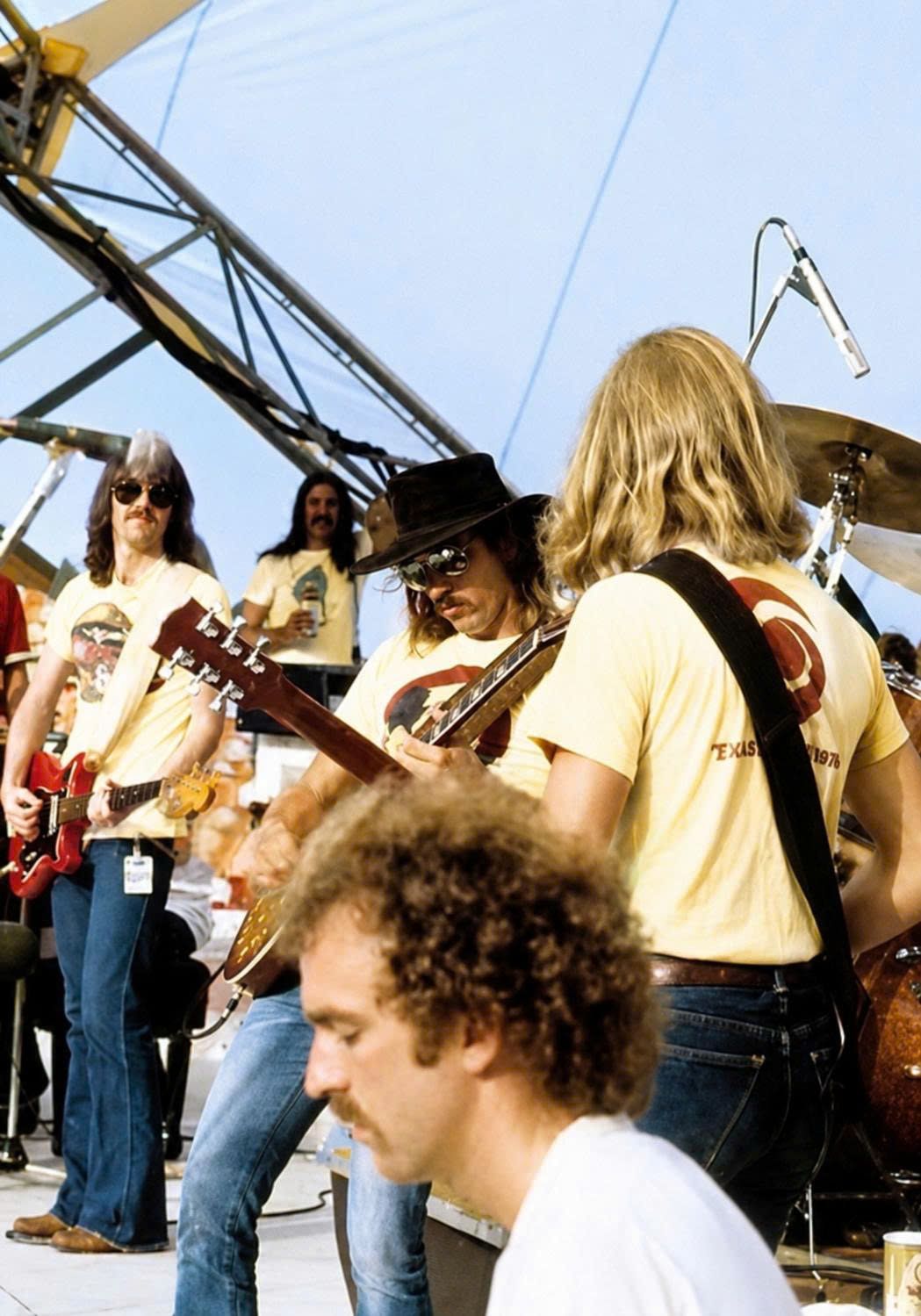
The Eagles are remembered for soaring harmonies, polished songwriting, and a brotherhood that helped define 1970s American rock. Yet behind the platinum records and sold-out arenas, disagreements inside the band could become surprisingly intense. One of the most fascinating stories surrounds guitarist and founding member Bernie Leadon and a gentle ballad that almost never made it onto the Eagles’ landmark 1975 album One of These Nights. According to long-circulated accounts from those close to the band, Leadon believed so deeply in the song that he reportedly threatened to break Glenn Frey’s arm if it was rejected. Whether every detail of that dramatic story unfolded exactly as remembered has been debated over the years, but it perfectly captures the creative tension that existed as the Eagles evolved from a country-rock group into a more polished rock powerhouse.
The song at the center of the conflict was “I Wish You Peace,” a heartfelt composition co-written by Bernie Leadon and Patti Davis, daughter of California Governor Ronald Reagan, who would later become President of the United States. Unlike the band’s increasingly sophisticated rock sound, the ballad carried a quiet, almost spiritual message. It wasn’t built around sharp hooks, driving rhythms, or commercial ambition. Instead, it offered a simple prayer for comfort, forgiveness, and hope. Leadon believed that emotional honesty gave the song tremendous value, even if it sounded completely different from the material Don Henley and Glenn Frey preferred for the album.
Henley and Frey reportedly felt the track did not fit the direction they envisioned. As the Eagles chased a broader audience, they favored songs with stronger commercial appeal and a more contemporary edge. Some accounts even recall the song being dismissed as sentimental or overly soft. For Leadon, however, the ballad represented something much deeper than another album cut. It reflected the gentler side of his musical personality, rooted in folk traditions, acoustic storytelling, and heartfelt simplicity. Losing the song would have meant losing an important piece of himself from the record.
Leadon’s determination eventually paid off. “I Wish You Peace” remained on One of These Nights, closing the album with a completely different atmosphere from the energetic hits that preceded it. Rather than ending with drama or spectacle, the record faded away with warmth and compassion. Bernie himself sang the lead vocal, delivering one of the most understated performances in the Eagles’ catalog. His voice wasn’t flashy or theatrical. Instead, it carried a quiet sincerity that perfectly matched the lyrics, while the band’s rich harmonies wrapped around him with remarkable tenderness.
Looking back today, the placement of the song feels almost symbolic. Only a short time after the album’s release, Bernie Leadon left the Eagles. Creative differences had continued to grow, and the band’s musical direction was moving further away from the country influences he loved. In hindsight, “I Wish You Peace” became much more than an overlooked album closer. It became Leadon’s final emotional statement as an Eagle—a gentle goodbye hidden beneath one of the band’s biggest commercial successes.
Ironically, the very qualities that once made the song controversial are exactly what many longtime fans cherish today. While massive hits like “One of These Nights,” “Lyin’ Eyes,” and “Take It to the Limit” dominate classic-rock radio, “I Wish You Peace” quietly rewards listeners who explore the album from beginning to end. It reveals another side of the Eagles—one defined not by chart positions or guitar solos, but by vulnerability, grace, and compassion.
Nearly five decades later, the story continues to fascinate fans because it reminds us that great bands are rarely built on unanimous agreement. Sometimes the songs that divide musicians the most become the ones that reveal their deepest humanity. For Bernie Leadon, this forgotten ballad was never simply another track. It was a deeply personal message of kindness and hope, and, in many ways, the soft-spoken farewell that closed one unforgettable chapter of Eagles history forever.